
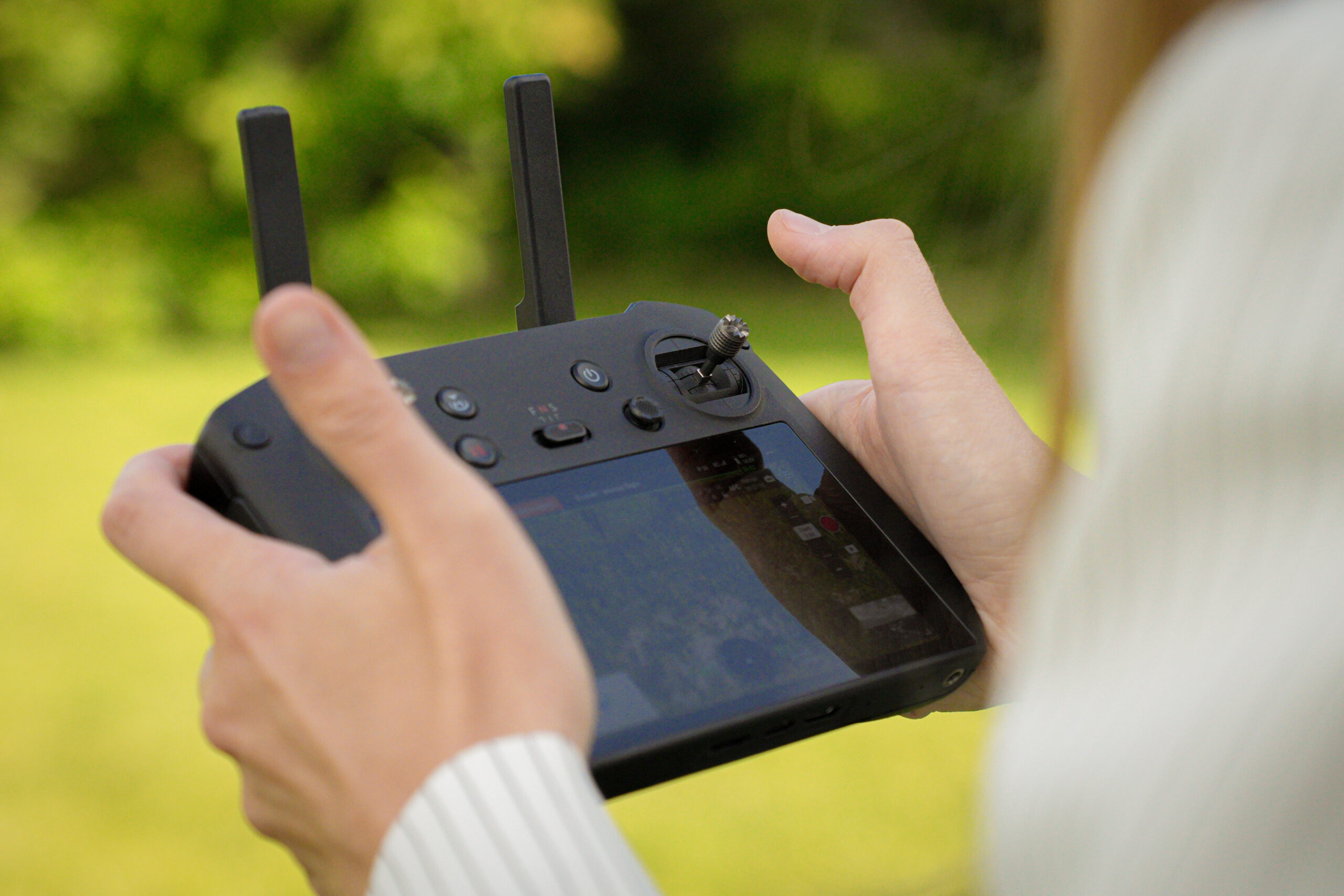
A new school year is not only about new notebooks, textbooks and a school bag. It is often also a time when new interests appear – whether that is sport, photography, video creation or technology. One increasingly accessible option is a drone.
At first glance, a small drone may seem like just another exciting tech toy, but in reality it can become a hobby that teaches flying, photography, video creation, as well as an understanding of technology and flight regulations.
Which drone will stay interesting for longer?
It all depends on which drone you choose.
The simplest toy drones can be fun to fly for a while, but their camera quality, flight stability and capabilities are usually quite limited. If a child is already interested in technology or enjoys photography and video, it may make sense to choose a drone that can actually be used to create something in addition to simply flying.
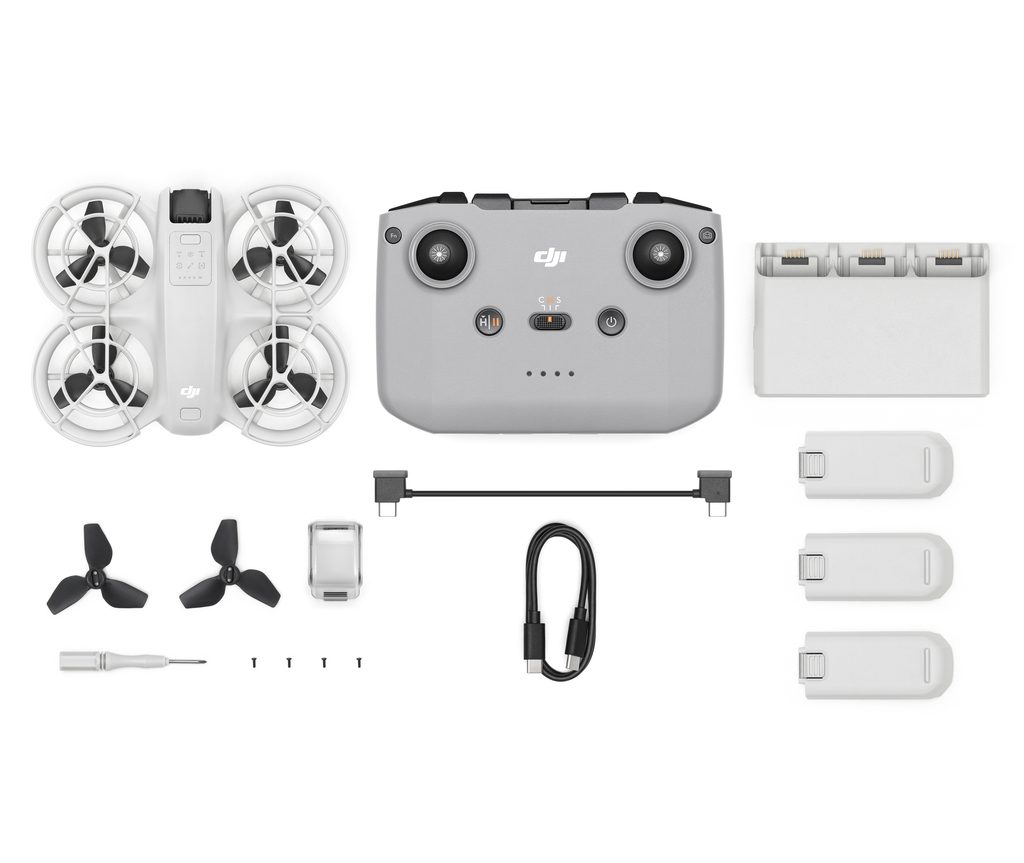
A good example is the DJI Neo Motion Fly More Combo. Neo is small and lightweight, its propellers are protected, and the Motion package also allows you to try flying with FPV goggles. This makes it a good middle-ground option – simple enough that the first experience is not too complicated, yet exciting enough to keep the interest going beyond the first few flights.
DJI Neo is also well suited to younger drone enthusiasts because it is a C0-class drone with no minimum pilot age requirement. Neo weighs only 135 grams, and flying it does not require completing drone pilot training or passing an exam.
A drone can be used to film hikes and trips, experiment with aerial photography, or later learn video editing. For some young users, however, the flying itself quickly becomes the most exciting part.
At what age can a child fly a drone?
When choosing a drone, it is worth looking not only at its weight but also at its class marking. In Estonia and elsewhere in the European Union, the general minimum age for a drone pilot is 16, but this restriction does not apply to the lightest C0-class drones.
This means that if you want to find a drone that a child can also fly independently, the simplest option is a model with C0 classification. A C0-class drone weighs less than 250 grams and does not require drone pilot training or an exam. Before the first flight, however, it is still necessary to read the user manual and become familiar with the applicable flight rules.
There is one important detail: not every drone weighing under 250 grams is automatically a C0-class drone. For example, some small FPV drones may weigh only a few dozen grams but may not have a C0 class marking. In such cases, it is important to check separately which requirements apply before purchase.
In certain cases, a person under the age of 16 may also fly other types of drones if they are under the direct supervision of an adult with the required competency.
Why are lightweight drones a good choice for beginners?
Lightweight drones are convenient for beginners for several reasons. They are easy to carry, take up little space and are well suited for trying out your first aerial shots.
However, this does not mean that a small drone can be flown anywhere. Flight rules still apply even to C0-class drones. The drone must remain within the pilot’s visual line of sight, flying over assemblies of people is prohibited, and the maximum flight altitude is generally 120 metres. Additional airspace restrictions may also apply in specific areas.
If the drone has a camera, it is also worth checking the operator registration requirements before flying.
When flying itself becomes the most interesting part
For everyone, the camera is not necessarily the most important part of a drone. For some young users, the most exciting thing quickly becomes how the drone moves, maneuvers and how precisely it can be controlled.
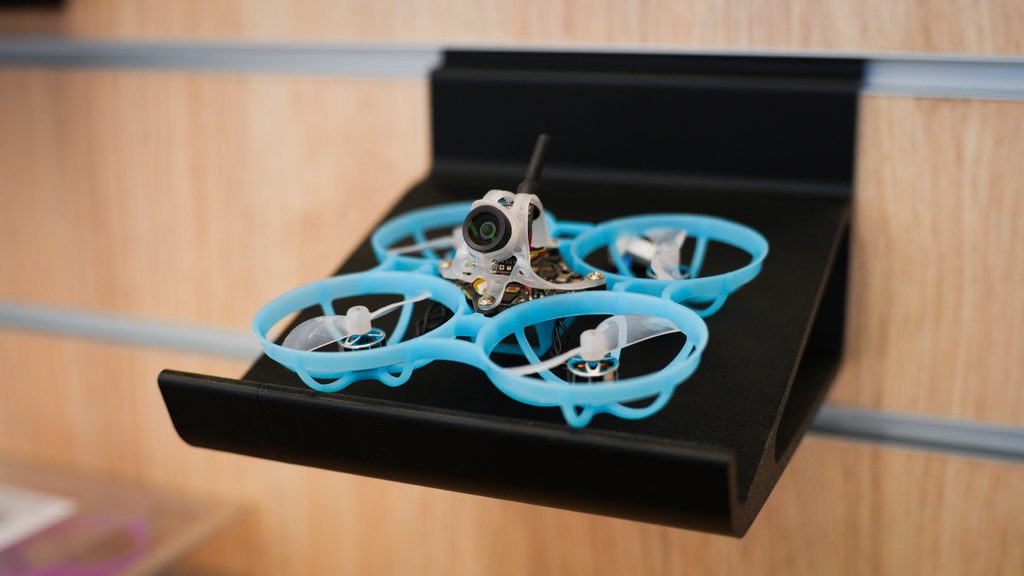
This is where the FPV world begins. Small whoop-style drones such as the BetaFPV Air65 II or Air75 II have a very different character compared with a conventional camera drone. Here, the focus is more on developing piloting skills, maneuvering and the flying experience itself.
With these models, it is important to check both the specific drone’s class marking and the required additional equipment before purchase. An FPV drone may require a separate controller, video goggles or other compatible components.
When the hobby develops into a real interest in FPV
As interest grows, a whole new layer of the drone world opens up.
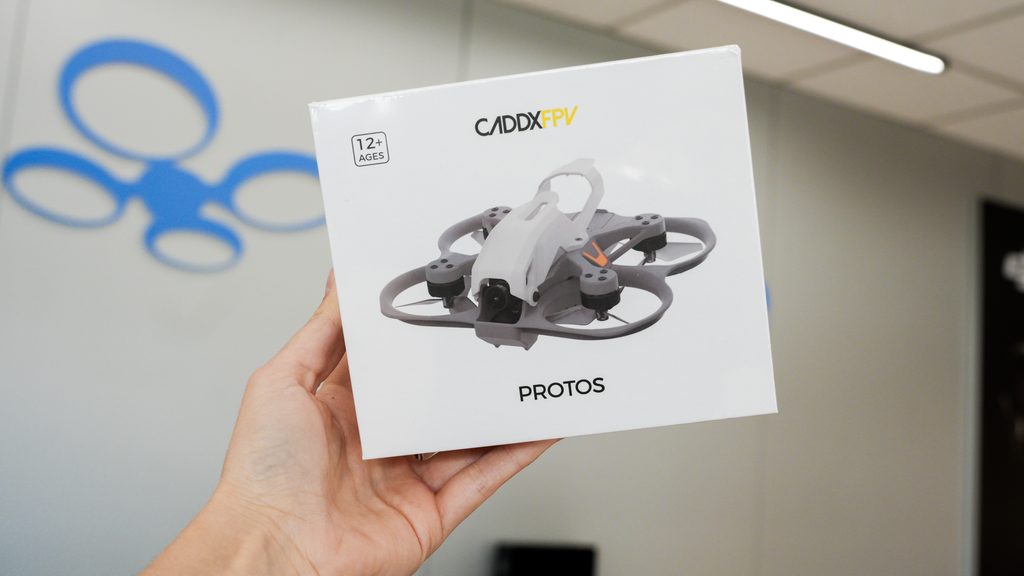
For example, the CaddxFPV Protos 1.6″ FPV Drone is a good example of how different an FPV drone can be compared with a standard camera drone with automatic flight modes.
FPV flying requires more practice, but that is exactly what many young people enjoy. Alongside flying comes an understanding of technology, radio systems, batteries, setup and compatibility between different components.
This is where a drone can quickly turn from a fun gadget into a real hobby.
So what could be a good first drone?
There is no single universal answer – if the goal is simply to find out whether drones are interesting at all, it is worth starting with a model that is easy to control and does not require learning too much technical information straight away. A DJI Neo-type drone can be a good introduction because it combines simple flying, video creation and, if desired, an FPV-style experience.
If, however, the young user is interested primarily in control and developing flying skills from the beginning, smaller BetaFPV whoop drones may be worth considering. For those with a more technical interest, models such as the CaddxFPV Protos come into play, where the drone itself is only one part of the entire FPV system.
The most important thing before buying is not only to look at price and weight, but also how easy the model is to start with, what equipment is required and which flight rules apply to that specific drone.
It is worth making the first flights together
Even if the chosen drone can be flown independently by a child, it is still sensible to make the first flights together with a parent or a more experienced drone enthusiast.
It is best to start in an open and quiet area and, before takeoff, go over the most important principles: where flying is allowed, why the drone must remain visible and why airspace restrictions need to be checked before every flight.
This way, a new tech gadget also becomes an opportunity to learn responsibility.
Toy or real hobby?
In reality, a drone can be both.
The first flights may simply be fun, but they can quickly develop into an interest in photography, video editing, FPV flying or drone technology. For some, a drone will remain an enjoyable weekend activity, while for others it may become a serious hobby or even a future profession.
When choosing a first drone, there is no need to automatically look for the most powerful model. It is much more important to find a drone that matches the child’s age, skills and interests, is easy to start with, and still leaves room to grow as their abilities develop.