BetaFPV ELRS Nano TX/RX – Fast, Reliable, and Compact ExpressLRS Control Solution
BetaFPV ELRS Nano TX/RX is a compact, high-performance ExpressLRS transmitter and receiver solution designed for FPV pilots who value fast control response, low latency, and reliable radio communication. The system is an excellent choice for freestyle, racing, and long-range FPV drones, allowing users to build a lightweight, modern, and efficient control link for a wide variety of aircraft platforms.
ExpressLRS technology is known for its high packet rates, long operating range, and stable connection. BetaFPV ELRS Nano TX/RX combines these advantages with a compact transmitter module and lightweight receiver, making the kit suitable both for building a new FPV system and upgrading an existing radio control setup.
Advantages of ExpressLRS Technology
BetaFPV ELRS Nano TX/RX uses the open-source ExpressLRS communication protocol, which is designed to provide a fast, precise, and reliable control link even in demanding flying conditions. A high packet rate reduces the delay in transmitting control commands, resulting in smoother and more immediate aircraft response.
The 2.4 GHz version supports packet rates of 25 Hz, 50 Hz, 150 Hz, 250 Hz, and up to 500 Hz. This allows pilots to select the most suitable balance between response speed, operating range, and connection stability. Higher packet rates and minimal latency are especially beneficial for racing, while lower packet rates can be used for longer-range flights where improved receiver sensitivity and link reliability are required.
The 868 MHz and 915 MHz versions support packet rates of 25 Hz, 50 Hz, 100 Hz, and 200 Hz. These lower frequency bands are particularly suitable for applications where strong signal propagation and extended control range are important.
Adjustable RF Output Power
The RF output power of the BetaFPV ELRS Nano TX/RX transmitter module can be adjusted according to the flight environment and intended operating range. Available output power levels include 100 mW, 250 mW, and 500 mW, allowing pilots to choose an appropriate setting for both close-range flying and longer-range FPV missions.
Lower output power is well suited to everyday flying and training because it reduces energy consumption and heat generation. For longer-distance flights or more challenging radio environments, a higher output power can be selected to maintain a stronger and more stable control link. The Japanese MIC-compliant version is limited to 0.3 mW/MHz, with a maximum output power of 20 mW.
The actual operating range is also affected by antenna placement, receiver sensitivity, selected packet rate, terrain, obstacles, and potential radio-frequency interference.
2.4 GHz, 868 MHz, and 915 MHz Frequency Versions
BetaFPV ELRS Nano TX/RX is available in different frequency versions to suit regional regulations and specific operating requirements. The 2.4 GHz model operates in the 2.4 GHz ISM band and is compatible with many modern ExpressLRS systems. This frequency is particularly popular due to its high packet rates, compact antennas, and wide selection of compatible devices.
The lower-frequency version operates on either the 915 MHz FCC band or the 868 MHz EU band. Within the European Union, the locally compliant 868 MHz version should be used. When selecting a frequency version, users must ensure that the transmitter module and receiver operate on the same frequency band and comply with the radio regulations applicable in the intended region of use.
Compact Nano TX Module
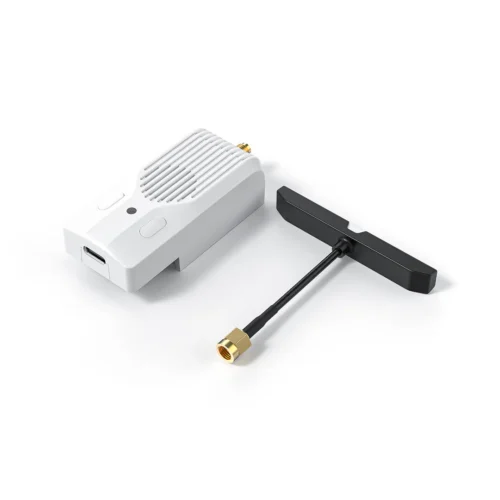
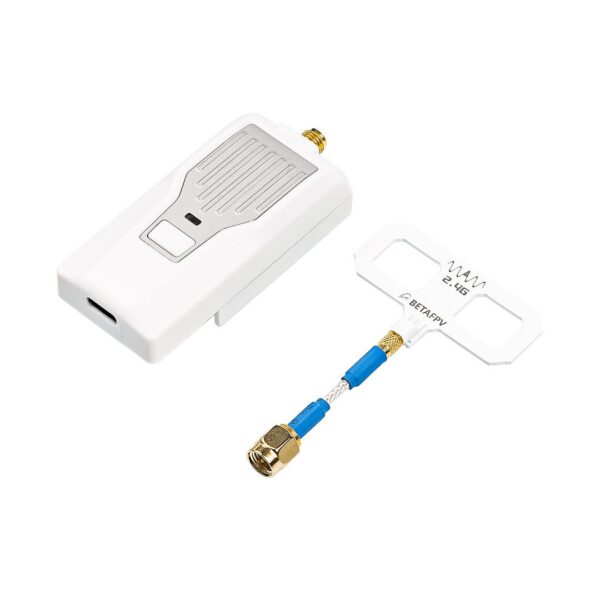
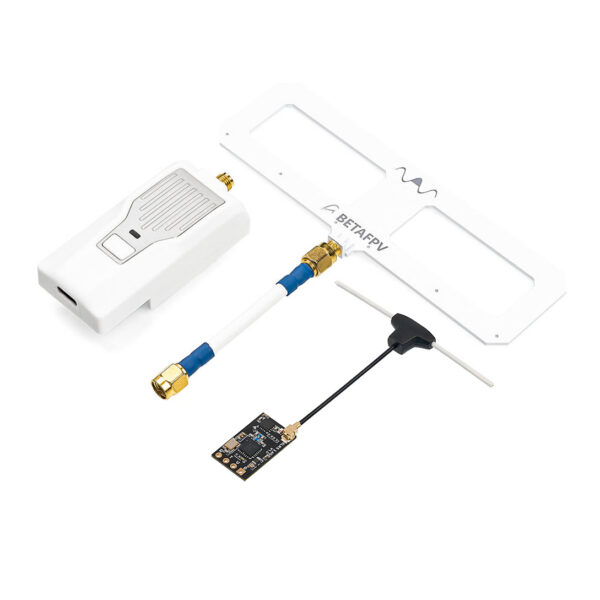
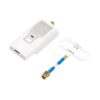
The compact dimensions of the Nano TX module make it suitable for radio transmitters equipped with a Nano-style external module bay. Its lightweight design helps keep the overall weight of the radio controller low, improving comfort during longer flying sessions.
The module supports an input voltage range of 5–12 V, allowing it to be used with a variety of compatible radio transmitters. A USB Type-C port provides convenient access for firmware updates and configuration. Depending on the ExpressLRS firmware version in use, module settings can be managed using compatible configuration tools.
Before installation, users should verify that the radio transmitter’s module bay, power supply, and communication protocol meet the requirements of the Nano TX module.
Lightweight and Efficient ELRS Receiver
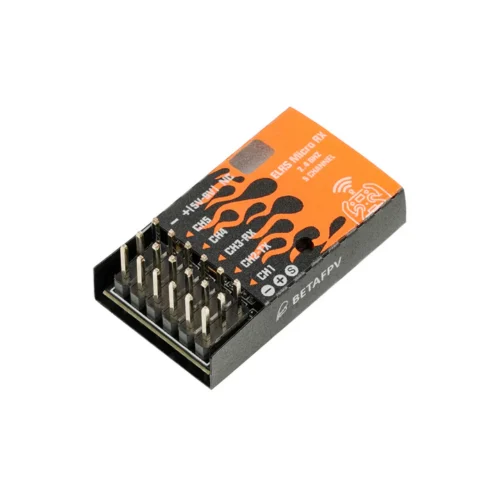
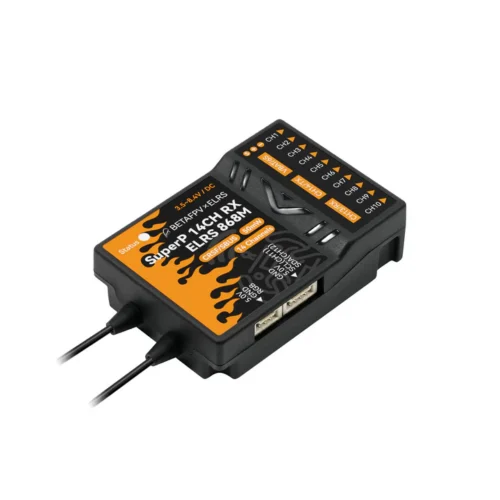
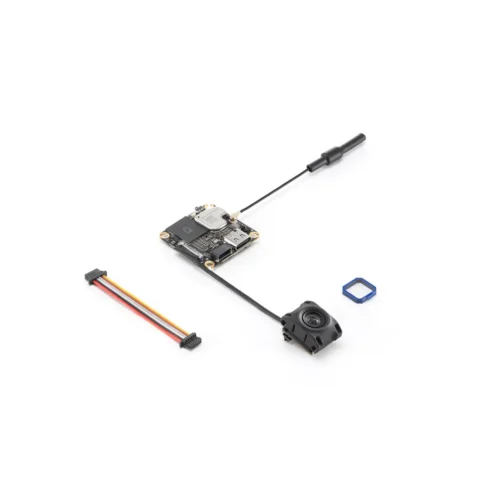
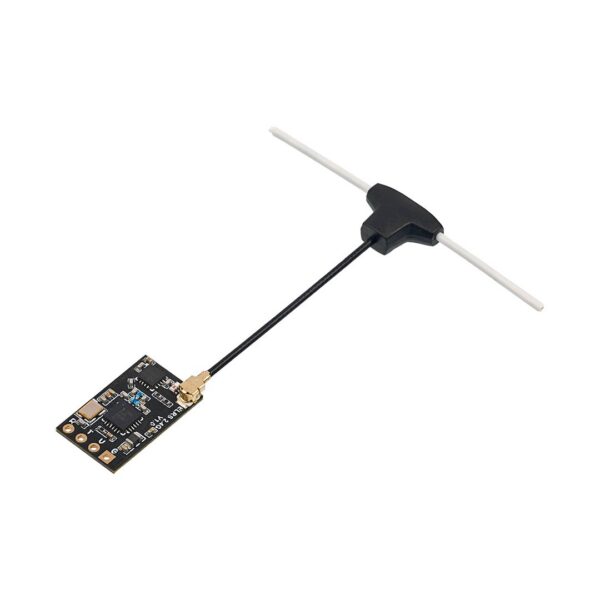
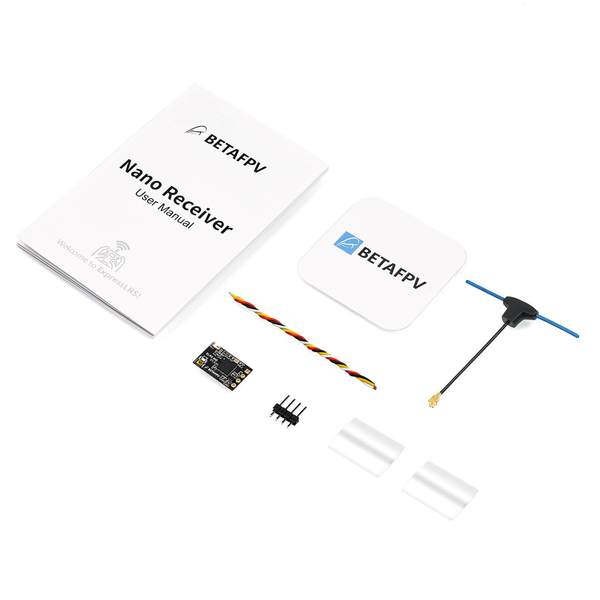
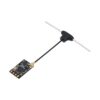
The BetaFPV ELRS Nano RX receiver is designed for FPV drones where every gram and millimetre matters. Its compact size makes it suitable for micro and whoop-class drones as well as larger freestyle and long-range builds.
When installed correctly, the receiver helps maintain a stable control link during fast manoeuvres, vibration, and constantly changing aircraft orientations. The antenna should be positioned as far as possible from carbon-fibre frame components, battery cables, video transmitters, and other parts that may generate interference.
When using a T-shaped antenna, the active radiating section should not be sharply bent or pressed against conductive material. Correct antenna placement helps reduce signal shielding and improves the overall reliability of the radio link.
Moxon Antenna for Stable Transmission
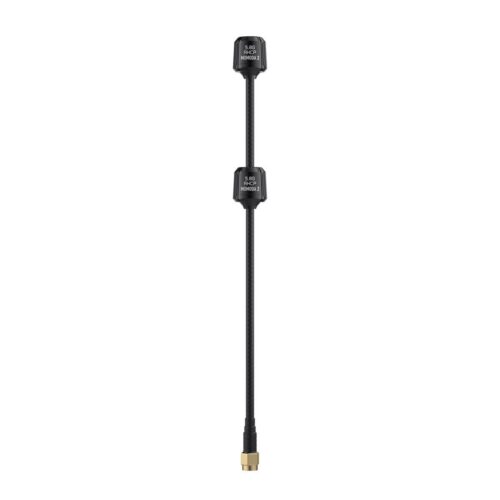
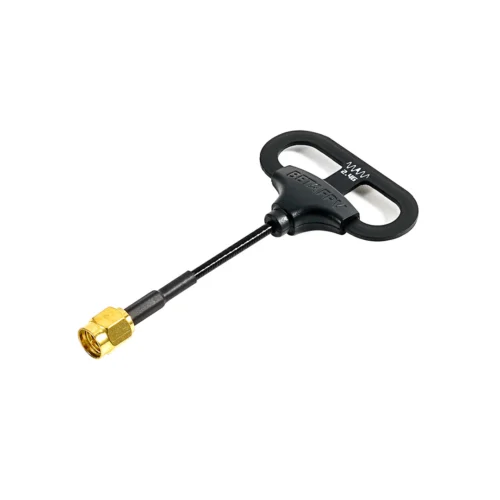
The included BETAFPV Moxon antenna features a directional radiation pattern that improves signal strength in its primary transmission direction. It is particularly well suited to FPV flights where the aircraft generally remains in front of the pilot.
For the best possible performance, the antenna should be mounted securely and aimed toward the main flying area. The transmitter module must not be operated without an antenna, as doing so may damage the RF amplifier. The antenna connection should be secure, but the connector must not be overtightened.
Straightforward Setup and Binding
When setting up the BetaFPV ELRS Nano TX/RX system, the transmitter module and receiver must be configured with compatible ExpressLRS firmware. One of the simplest and most reliable binding methods is to use the same binding phrase on both devices, allowing the transmitter and receiver to connect automatically.
It is important to ensure that the major firmware versions installed on the transmitter module and receiver are compatible. Different or incompatible firmware versions may prevent binding or cause unstable operation.
After setup, a range test should always be performed before the first flight. Telemetry operation, signal strength, and failsafe settings should also be checked to ensure that the aircraft behaves safely if the control link is lost.
Suitable for Different FPV Flying Styles
BetaFPV ELRS Nano TX/RX is suitable for a wide range of FPV applications. Racing pilots benefit from high packet rates and low latency, which provide precise and immediate control response. For freestyle flying, smooth control and a stable connection are especially valuable during fast and aggressive manoeuvres.
In cinematic FPV applications, a reliable control link allows the pilot to focus on the flight path and camera framing. For long-range flying, a suitable combination of frequency, packet rate, RF output power, and antenna placement can provide a strong and dependable radio connection.
Package Contents and Technical Configuration
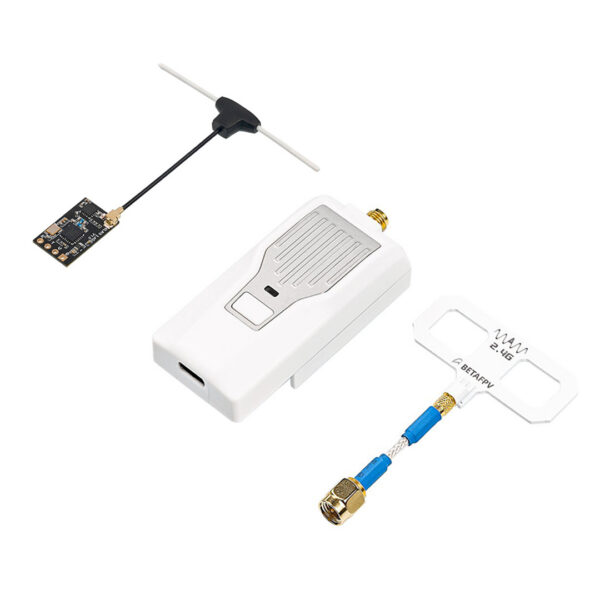
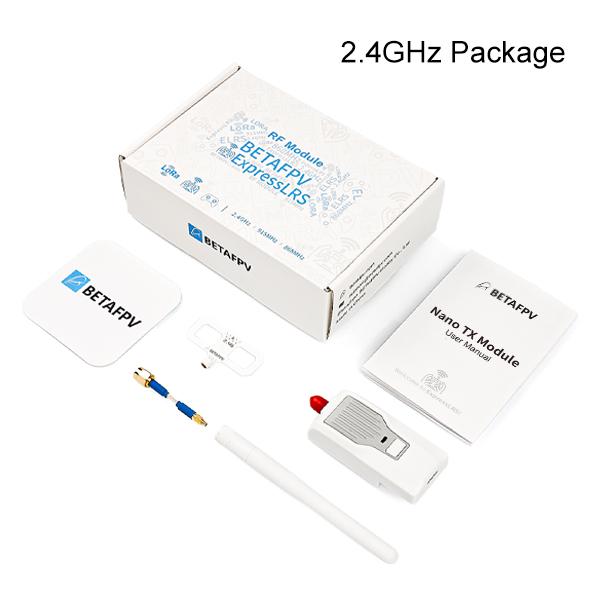
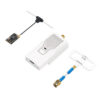
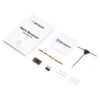
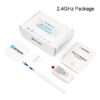
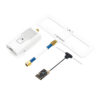
The package includes one BETAFPV ELRS Nano TX module, one BETAFPV Moxon antenna, and one Nano TX module user manual. The transmitter module supports an input voltage of 5–12 V and uses a USB Type-C connection for configuration and firmware management.
Depending on the selected version, the system operates either in the 2.4 GHz ISM band or in the 915 MHz FCC / 868 MHz EU frequency band. RF output power can be set to 100 mW, 250 mW, or 500 mW. The maximum packet rate reaches 500 Hz on the 2.4 GHz version and 200 Hz on the 868/915 MHz version.
Why Choose BetaFPV ELRS Nano TX/RX?
BetaFPV ELRS Nano TX/RX is an excellent choice for pilots looking for a compact, fast, and highly configurable ExpressLRS control system. Adjustable RF output power, high packet rates, USB Type-C connectivity, and multiple frequency options allow the system to be tailored to a specific FPV platform and flying style.
Thanks to the compact Nano TX module, lightweight receiver, and advanced capabilities of ExpressLRS technology, the system is suitable both as a first ELRS setup and as an upgrade to an existing FPV radio control system. With correct configuration and antenna placement, it delivers fast response, reliable telemetry, and a stable control link across a wide range of flying conditions.

 Parcel locker: 1–3 business days
 Parcel locker: 1–3 business days