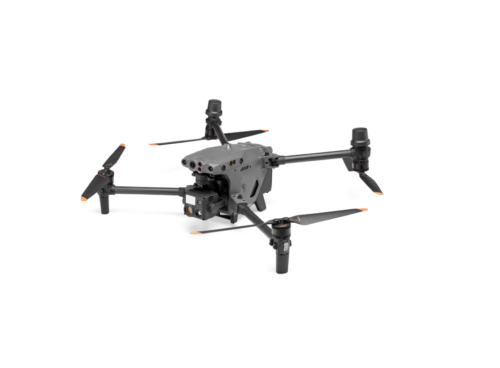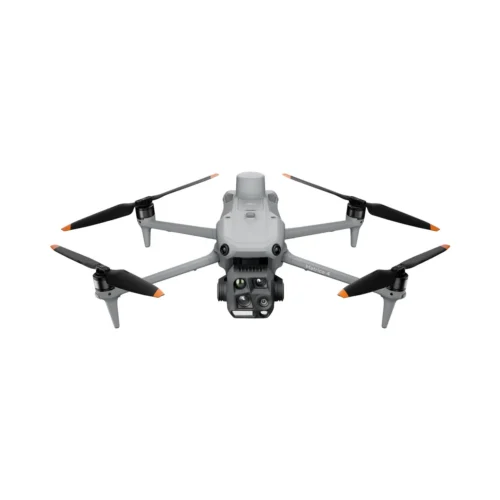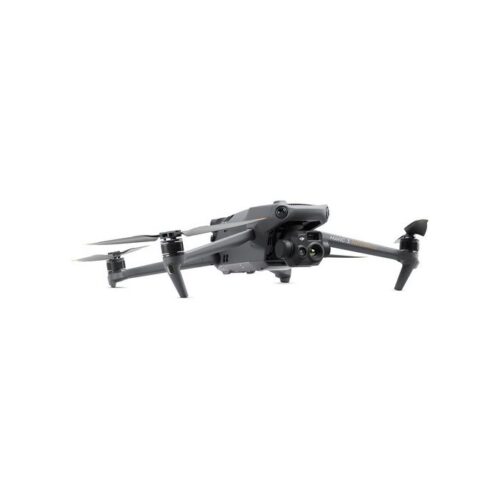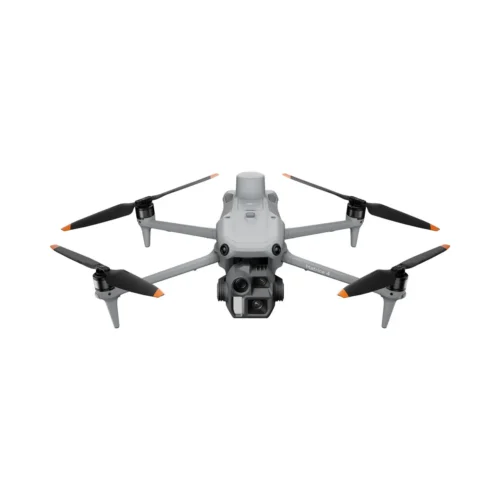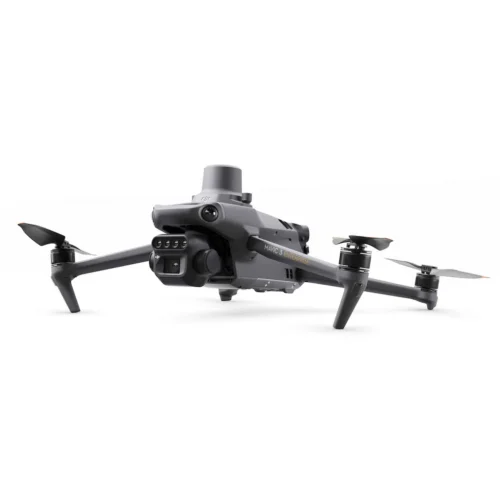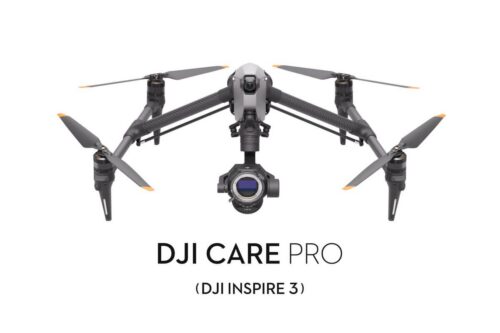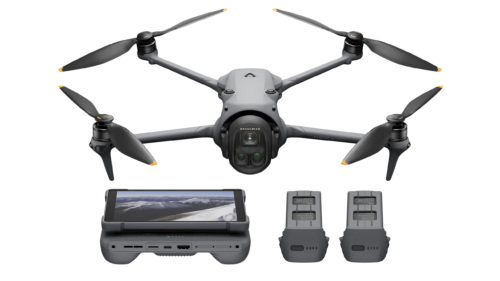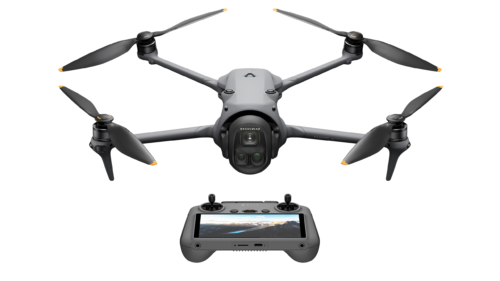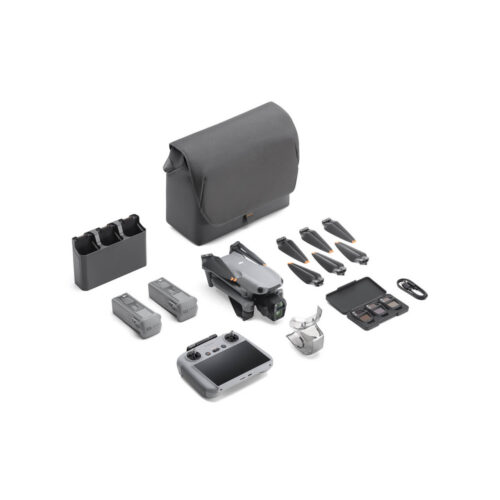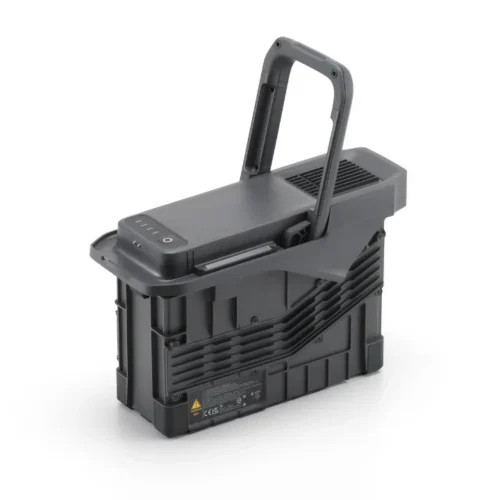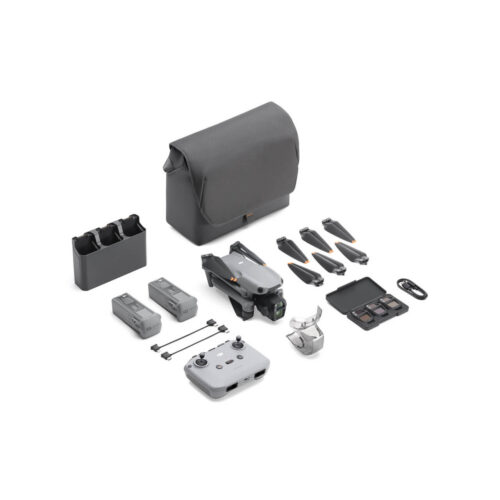
Since 2016, Inspire 2 has been an indispensable tool for professional filmmakers. While DJI’s various drone series generally receive an update every two years or so, the Inspire series still had a long wait. Rumours of the Inspire 3’s arrival started circulating several years ago. Now, in 2023 (more than six years after the release of the Inspire 2), DJI has officially released the Inspire 3.
Let’s compare the main elements of these two drones:
| DJI Inspire 3 | DJI Inspire 2 | |
| Gimbal camera | Full-needle sensor; Dual native EI: 800/4000. EI 200-6400 | S35 or M4/3 sensor; EI 100-1600 (Zenmuse X7) |
| Gimbal-camera compatibility | X9-8K Air (comes with the drone) | Zenmuse X7 (optional) Zenmuse X5S (optional) Zenmuse X4S (optional) |
| Highest video specifications | 8K/75fps ProRes RAW; 8K/25fps CinemaDNG. | 6K/30fps ProRes RAW & 6K/30fps CinemaDNG (both with X7) |
| FPV camera | 1/1.8-inch CMOS sensor; 161° DFOV | 1/7.5-inch CMOS sensor; 84° DFOV |
| Positioning accuracy | At centimetre level (with RTK) | At metre level (RTK not supported) |
| Identification system | Avoiding obstacles in all directions | Three-way obstacle detection |
| Flight time | Maximum 28 minutes | 23 minutes (with Zenmus X7) |
| Intelligent flight modes | Waypoint Pro: Repeatable Routes, 3D Dolly, Spotlight Pro | TapFly, ActiveTrack, Spotlight Pro |
| Video transmission & distribution | O3 Pro: up to 8km (CE) | Lightbridge: up to 3.5 km (CE) |
| Memory | PROSSD 1TB (included) | CINESSD 120/240/480/960GB (sold separately) |
Camera and lenses
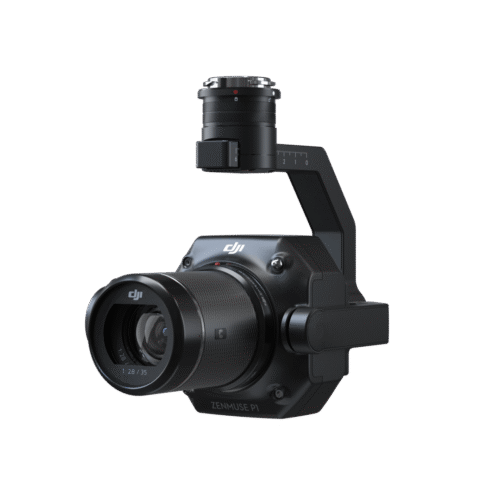
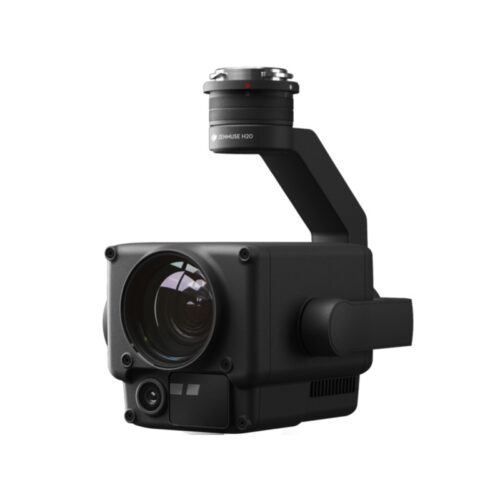
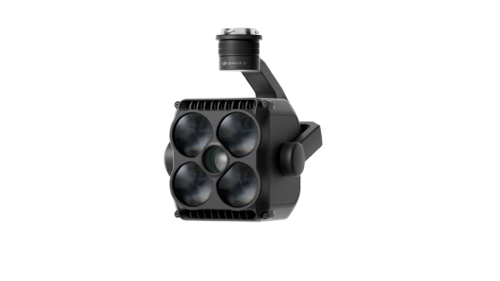
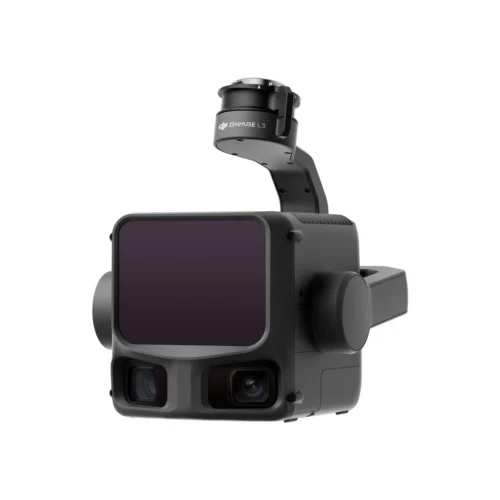
The DJI Inspire 3 uses the new Zenmus X9-8K Air gimbal camera, designed specifically for the Inspire 3.
However, the DJI Inspire 2 has a wider camera range and can use a number of cameras such as the Zenmuse X7, Zenmuse X5S and Zenmuse X4S. The Zenmuse X7 is the most preferred option for filmmakers.
However, the Zenmus X9-8K Air has a number of advantages and innovations over the Zenmus X7.
Most importantly, the Zenmus X9-8K Air is equipped with a full-frame image sensor capable of recording video at up to 8K RAW, exceeding 8K/75 frames per second with the ProRes RAW license and 8K/25 frames per second with the CinemaDNG codec. The license keys must be purchased separately.
The Zenmus X9-8K Air also supports a 14+ dynamic range and double natural ISO to preserve more detail to meet the needs of a wide range of cinematography scenarios.
By comparison, the Zenmus X7 can achieve up to 6K/30fps with ProRes RAW and CinemaDNG license keys. It has 14 dynamic ranges.
Speaking of lenses, the DJI Inspire 3 launches the new DL 18mm F2.8 ASPH, compatible with the X9-8K Air, with a full-frame DFOV of 100° and designed for 8K content creation.
Both drones can use DL 24mm, 35mm and 50mm lenses (Inspire 2 with Zenmus X7). However, the Inspire 2 16 mm lens is not compatible with the Inspire 3.

Intelligent modes
Inspire 3 and Inspire 2 have a set of intelligent modes that make it easier to create content on the fly.
These intelligent modes are:
- Inspire 3:Waypoint Pro – Replay & 3D Dolly, updated Spotlight Pro.
- Inspire 2:Spotlight Pro, TapFly, ActiveTrack.
While the Inspire 2’s intelligent modes are nothing to complain about, the Inspire 3 takes them to the next level. A particularly high-quality addition is Waypoint Pro, which helps you plan your flight route and take shots of complex scenes. This mode consists of replay routes and 3D Dolly.
| Mode | Functionality |
| Repeat marches | Inspire 3 automatically flies the same route and keeps all preset parameters such as altitude, speed, gimbal angle and camera settings. It’s perfect for complex one-shots or long intervals. |
| 3D Dolly | This mode simulates a crane, a cable camera or a dolly on film sets. After planning the flight route, the film operator can manually manoeuvre the drone to move back and forth along the route. At the same time, parameters such as speed, gimbal angle and more can be adjusted – all according to the needs of the shot. |
Inspire 3 Spotlight Pro functionality is once again an evolution of Inspire 2, allowing even more shooting options for individual readers.
It supports automatic detection and frame-keeping of people, vehicles and boats with much greater accuracy than Inspire 2 Spotlight Pro.
Inspire 3 Spotlight Pro has a tracking mode and a free mode.
- Tracking mode:the drone and gimbal camera face in the same direction and remain locked on the object so the pilot can take roving shots without having to manually adjust the frame.
- Free Mode:Thanks to the Inspire 3 360° moving gimbal pan-axis, in free mode the gimbal camera can remain locked on the object while the solo pilot uses the FPV camera to check his surroundings and fly a flight path. Moving the camera is easier.
For comparison, let’s take a look at the Inspire 2’s intelligent modes.
| Mode | Function |
| Spotlight Pro | Spotlight Pro has two key modes: in quick mode, select an object to start tracking. In composition mode, select the object and tracking position. When the object enters the preset tracking position, press the shortcut key to start tracking. The gimbal can be moved during shooting to adjust the composition. |
| TapFly | A dual on-board FPV camera separates the flight view from the main camera view, effectively giving Inspire 2 a dedicated TapFly camera. To set a flight route, tap a point on the screen in the FPV view and the Inspire 2 automatically flies along that route, leaving the pilot to concentrate on moving the gimbal. |
| ActiveTrack | ActiveTrack mode allows Inspire 2 to recognise a wide range of objects, from people to bikes and from cars to boats. Adjustable tracking profiles based on the object being tracked means greater tracking accuracy. |
Performance and design
Both drones can reach speeds of around 94 km/h per hour, but the new model is still a bit more agile and agile. The maximum dive speed has been increased from 9 m/s to 10 m/s for the Inspire 2, while vertical climb/descent speeds have been increased to 6 m/s and 4 m/s from 8 m/s respectively.
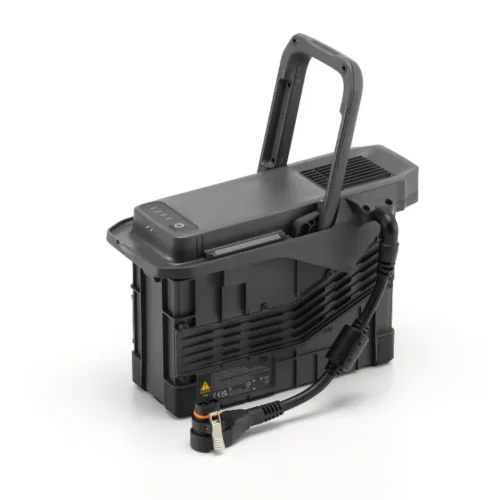
Inspire 3 has a maximum flight time of 28 minutes. The Inspire 2 can achieve 23 minutes with the Zenmuse X7 or 27 minutes with the less powerful Zenmuse X4S. The Inspire 3 uses new TB51 batteries instead of the familiar TB50 batteries. These new batteries are smaller, smaller in size but higher in voltage compared to the TB50.
In terms of weight, the Inspire 3 weighs 3995g (including gimbal camera, two batteries, lens, PROSSD and propellers) and has a maximum take-off weight of around 4310g. The DJI Inspire 2, on the other hand, weighs 3440g (including props and batteries, but without gimbal and camera) and has a maximum take-off weight of 4250g.
Both drones are rugged and can withstand temperatures ranging from -20°C to 40°C. Inspire 3, however, can withstand higher wind speeds of 12 m/s (take-off/landing) and 14 m/s (in flight). For Inspire 2, the maximum was 10 m/s.
The DJI Inspire 3 has an updated design that improves its fluidity and handling experience. 360° Pan and Tilt Boost capabilities have been added. When the axis is lowered, the gimbal supports 80° upward shooting without any obstruction, allowing videographers to capture strikingly innovative shots.
The DJI Inspire 3 uses new folding propellers with quick-release fasteners for easy storage. A big plus is that you no longer have to remove the propellers after each flight to fit the drone in its case.


Management and transmission
DJI Inspire 3 has improved control and transmission compared to DJI Inspire 2.
Control panel
The DJI Inspire 3 uses the DJI RC Plus controller, which has a 7-inch built-in display with 1200 nits of brightness,
The remote has a built-in battery that lasts just over three hours, but can be extended to six hours with the external WB37 battery. The WB37 battery can also be quick-charged without turning the remote off.
Instead of the former DJI GO 4, the Inspire 3 uses the DJI Pilot 2 app with an updated interface, specifically designed for content creators. Enhanced options have been added to control parameters such as camera beams, video specifications, focal length and gimbal angle.
The DJI Inspire 2 is compatible with Cendence RC or Inspire RC. Both controllers require a separate display, such as a Crystalsky monitor.
Transfer to
Inspire 3 is equipped with O3 Pro – DJI’s latest cinema-quality video delivery system. This advanced system is a massive leap in transmission range, latency and overall stability compared to the Inspire 2 Lightbridge video delivery system.
In terms of transmission range, Inspire 3 can reach up to 8 km (CE), compared to 3.5 km (CE) for Inspire 2.
Inspire 3 will support for the first time 4K/30 frames per second live broadcasts at up to 5 km transmission distance to meet the needs of on-set UHD monitoring and live streaming. In comparison, the Inspire 2 has a maximum live transmission resolution of 720p/30 frames per second.
And as for the maximum live frame rate, Inspire 3 can achieve 1080p/60 frames per second, while Inspire 2 can achieve 720p/30 frames per second.
Control with two remote controls
Compared to Inspire 2, the Inspire 3 dual control experience has been significantly improved.
The two remote controls can receive live feeds and operate the drone independently, so the pilot and gimbal operator can be in completely different corners of the shooting site. This is a big improvement over the Inspire 2’s limited primary and secondary control links.
If the pilot loses the drone’s signal, the gimbal operator can now take control of the drone to safely return home or land directly.


Flight safety and stability
The DJI Inspire 3’s flight safety and stability have once again been enhanced with a diverse feature catalogue.
For example, Inspire 3 has multi-directional obstacle detection, including a new customisable feature that allows users to enable or disable horizontal, upward and downward obstacle detection separately.
Both drones have an FPV camera, but the Inspire 3 has a new and improved version that doubles the DFOV compared to the Inspire 2 FPV sensor. The Inspire 3’s advanced FPV camera offers more impressive light sensitivity, allowing pilots to observe their surroundings vividly and clearly – even in the dimmest conditions.
The table below shows the difference between the Inspire 3 and Inspire 2 FPV cameras.
| Inspire 3 | Inspire 2 | |
| Sensor size | 1/1.8-inch | 1/7.5-inch |
| DFOV | 161° | 84° |
| Real-time feed quality | 1080p/60fps | 480p/30fps |
In an unexpected but pleasant surprise, Inspire 3 also has RTK capability, designed to improve flight stability and positioning. When enabled, it provides centimetre accuracy compared to the traditional metre-level GNSS positioning used by the Inspire 2.
RTK capability on Inspire 3 means that Inspire 3 can, for example, perform repetitive shots that would previously have required the use of a cable system or an arrow.

Compatibility of accessories
Some accessories are compatible with Inspire 3 and Inspire 2, but many are not.
The table below gives an overview of these compatibilities:
| Inspire 3 | Inspire 2 | |
| TB51 Intelligent flight battery | ✓ | X |
| Inspire 2 PART17 TB50 Intelligent flight battery | X | ✓ |
| Inspire 3 Folding Quick Release Propellers (pair) | ✓ | X |
| Inspire 3 Folding propellers for high altitude (Pair) | ✓ | X |
| RC Plus harness kit | ✓ | X |
| RC Plus height adjustable joysticks | ✓ | X |
| TB51 Intelligent battery charging dock | ✓ | X |
| DJI RC Plus (Inspire 3) | ✓ | X |
| DL 18mm F2.8 ASPH lens | ✓ | X |
| Zenmus X5S Part 1 gimbal and camera (without lens) | X | ✓ |
| Zenmuse X7(Lens Excluded)(RH) | X | ✓ |
| Zenmuse X7 PART1 DJI DL-S 16mm F2.8 ND ASPH | X | ✓ |
| Zenmuse X7 PART2 DJI DL 24mm F2.8 LS ASPH Lens | ✓ | ✓ |
| Zenmuse X7 PART3 DJI DL 35mm F2.8 LS ASPH Lens | ✓ | ✓ |
| Zenmuse X7 PART4 DJI DL 50mm F2.8 LS ASPH Lens | ✓ | ✓ |
| Zenmuse X7 Part16 DJI DL/DL-S Lens Filter Set (DLX series) | ✓ | ✓ |
| WB37 Intelligent battery | ✓ | ✓ |
| DJI WB37 battery charging hub (USB-C) | ✓ | ✓ |
| DJI fireproof battery bag (large) | ✓ | ✓ |
| DJI fireproof battery bag (small) | ✓ | ✓ |
| DJI PROSSD 1TB | ✓ | X |
| Inspire 2 CINESSD | X | ✓ |
DJI Inspire 3 vs DJI Inspire 2: a summary
More than six years have passed between the release of Inspire 2 and the unveiling of Inspire 3. That’s a very long time in a fast-changing and fast-evolving technology world.
So, was the long wait for Inspire 3 worth it? In short – YES. Inspire 2 set a high standard for its time and Inspire 3 has followed in its predecessor’s footsteps, building on years of experience and raising the bar.
The Inspire 3’s new RC Plus controller, the ability to capture beautiful 8K shots, advanced intelligent shooting modes and the ability to take repeat shots thanks to RTK positioning are just some of the memorable features that make this drone very attractive to professional videographers.
Shop online or find out more at info@droon.ee.