
Priidu Saart is a visual artist whose work focuses on Estonian nature and its special atmosphere. Born in Saaremaa and raised in Kuressaare, Priidu has been working more on the mainland for the last ten years, but his work still has a distinctly Saaremaa look – calm, attentive and respectful of the rhythms of nature.
He said that he considers himself a mediator of Estonian beauty through visuals.
“I create both photos and videos, mostly in the nature of our homeland. In addition, I also help brands to take their visual image to the next level, mainly in the tourism sector,” he said.
For him, the drone camera is a tool that allows him to see familiar places from a whole new perspective.
How did your interest in drones start?
Interest in drones emerged at a time when drones were beginning to reach a wider audience through social media. At the time, almost every drone photo seemed unique – the world opened up in a way that hadn’t been so easy to see before.
“These new and unprecedented perspectives really appealed to me,” said Priidu.
- In the autumn of 2008, he finally decided to buy his first drone.
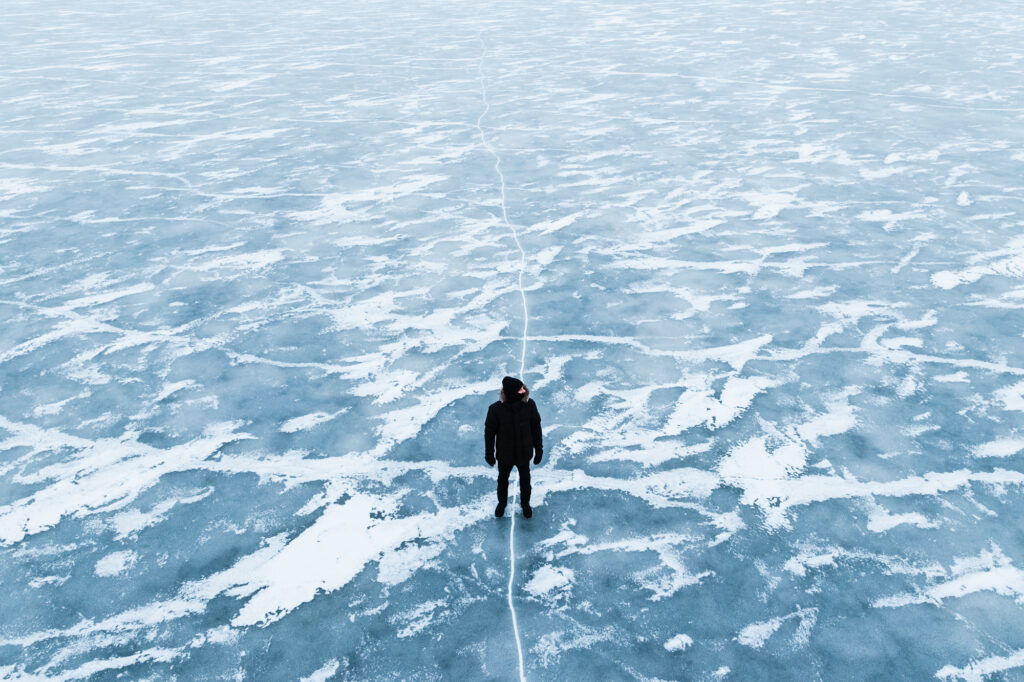
What was your first drone and how did you learn to fly it?
Priidu’s first drone was the DJI Phantom 3, which was much bigger than today’s Mavic series drones and required a separate large backpack.
As he already had a bag on his back when he went out in the wild – along with a hybrid camera, various lenses and other photographic equipment – the drone bag often ended up on his stomach.
“So I wandered around like a camel,” he said.
Nowadays, he says, drones are much simpler – all the equipment fits comfortably in one bag.
He made his first flights over the forest so as not to endanger other people.
“The first time, I had a friend by my side and showed me how to move the drone with the remote control levers. I also flew high enough not to immediately miss,” he recalled.
However, later, as I gained experience, I did make a few mistakes.
Do you prefer to take pictures, film or just fly with a drone?
According to Priidu, photography and filming with a drone go hand in hand.
“Photography and filming – both in equal measure. The drone is the perfect tool for this, where you can quickly switch between the two,” he said.
What has been your most memorable drone flight so far?
It is difficult to single out the most extraordinary drone flight, he says.
“Let the photos in the article speak for themselves,” he said.
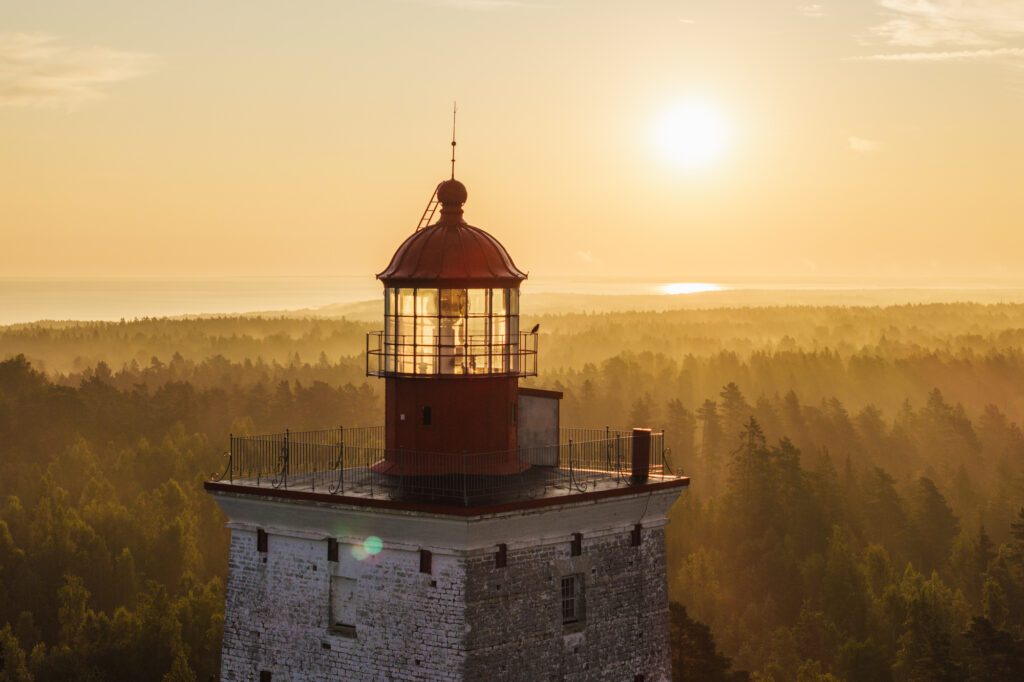
What is your favourite place to fly a drone and why?
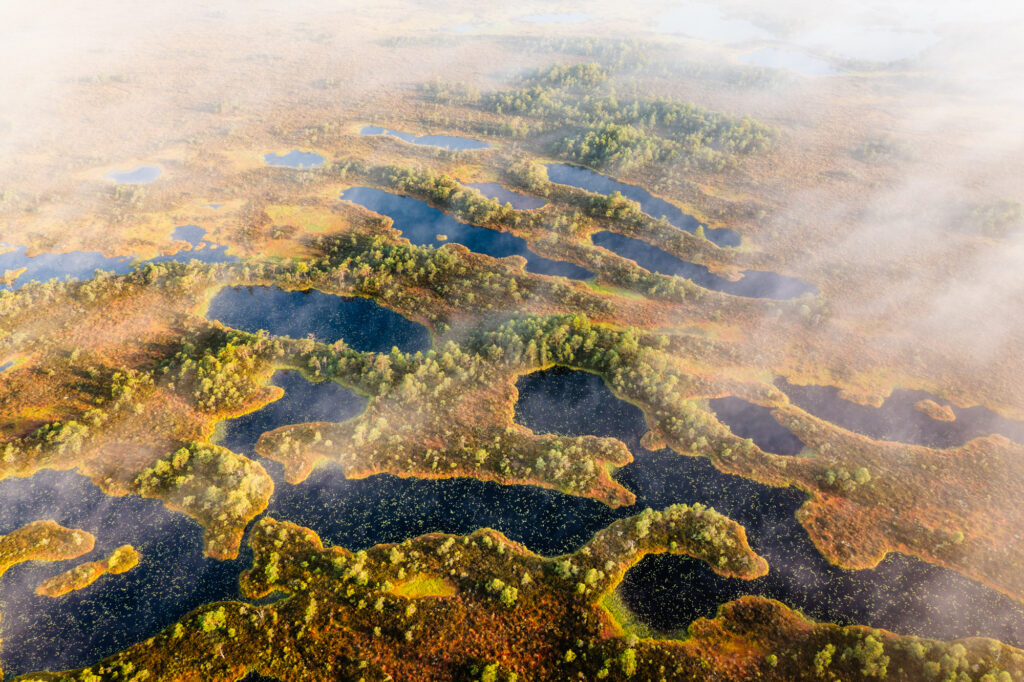
According to Priidu, some of his favourite places are Estonia’s lurking marshes, especially on misty summer mornings.
“Those views from that height are really unreal,” he said.
The most special moments, he says, are when you’ve hiked into the bog before sunrise and you’re completely alone.
Have you experienced any difficult situations when flying a drone?
- In the summer of 2008, he experienced GPS jamming caused by his eastern neighbour while flying along the coast of Lahemaa.
“I completely lost control of the drone and the remote control stopped responding. The drone picked up speed and flew towards the forest on natural gas,” Priidu described.
Fortunately, the drone was low, at about 7-8 metres, and the first bush stopped its dangerous flight. The drone crashed into the tall grass and miraculously survived.
“It’s a real stroke of luck that there was no direction to the sea or other people nearby,” he said.
The lesson from this experience was very clear.
“If you see a GPS error on the screen, you should land immediately and take no further risks.”
Which drone do you currently use and what do you appreciate most about it?
Priidu is currently using a DJI Mavic 3 Pro drone.
“When I switched from the Mavic 2, the first thing I appreciated was the long flight time. Secondly, of course, the TV camera,” he said.
According to him, the average 70 mm lens has given a whole new perspective to drone photography.
“Searching for detail and framing the landscape with this lens brought a whole new air to flying.”
What advice would you give to a beginner drone pilot?
According to Priidu, there is no substitute for experience.
“It’s the flying hours you accumulate that will keep you growing and improving,” he says. he said.
He also recommends paying attention to lighting conditions.
“The golden and blue hours at sunrise and sunset usually give the best results.”
At first, he says, it’s worth experimenting in a wide open area, where there are no other people, power lines or tall trees.
📷 More of Priidu Saar’s work can be seen on his website:
www.saartvisuals.com
Story: droon.ee / Interview: Maarja Murdmaa
Photos .