

Janno Siimar is one of the founders and creative director of Velvet. Velvet is a strategic design agency that he and three colleagues founded in 2004 with the aim of creating a working environment that he would enjoy coming to every day. Over the years, this idea has grown into a studio whose work has influenced the Estonian public sector as well as businesses – the identity of the Estonian National Museum, Brand Estonia, a unified visual system for public authorities, solutions for the e-Tax Board and much more.
Janno is originally from Tallinn, although part of his childhood was spent in Tunisia, where his father worked as a university lecturer in electrical engineering. His school path led him to Reaalkool, to programming and from there smoothly to design in the late 90s. He is a psychologist by training – a combination that fits surprisingly well with his work as a designer.
In addition to his daily work, he runs a drone rally at HOBIzone Sports Club, is team leader of Drone Racing Team Estonia and one of the organisers of the Estonian Drone Rally League. At home he has two children, a husband, a dog and a cat.
2. How did your interest in drones start?
Janno’s first contact with aeroplanes came back in the 80s, when his older brother introduced him to model aviation. They weren’t even radio-controlled, but gyroplanes with missiles, and his favourite sport was aerial combat. Then came a break of nearly 30 years.
During the corona pandemic, she and her 12-year-old son started looking for a common hobby that would keep them mentally healthy and provide excitement. YouTube first led them to 3D printing and model airplanes, but quickly to FPV drones. RotorRiot, RotorRiot, Bardwell, Charpu, Mr Steele all became inspirations. It soon became clear that the classic camera drone was not their thing.
“When we got to FPV, we were sold. You put the goggles on and see the world through the eyes of a drone. It’s a completely different area.”
3. What was your first drone and how did you learn to fly it?
It started with simulators – Liftoff, Velocidrone and even Microsoft Flight Simulator. A few hours at the computer and it was off to the forests of the West Country for a real flight. The first drones were the Eashine Tyro 79 and Tyro 109.
After that, Janno no longer buys off-the-shelf drones – each drone frame, electronics and structure is assembled by himself. To date, he has built nearly 200 drones. “We didn’t teach each other, we discovered together. His pace was faster – and that’s perfectly OK.”
4. What is the difference between FPV drone rally and flying a normal drone? Why should someone try a rally?
According to Janno, FPV and conventional camera drone flying are completely different worlds. A conventional drone is stable, calm and designed for beautiful shots. FPV is the opposite – speed, freedom, responsiveness and athletic exuberance.
“In a rally you find out every day if you are better than yesterday. It’s a concrete and measurable area.”
He encourages everyone to try it.
5. Do you prefer to take pictures, film or just fly with a drone? Why?
Janno’s answer is simple: photography and filmmaking are not his world. Most of his time is spent on rallying. From time to time, there are work shoots, but they don’t excite him as much. “In a rally, I compete first and foremost with myself. That feeling when you grow is powerful.”
6. What has been your most memorable drone flight so far?
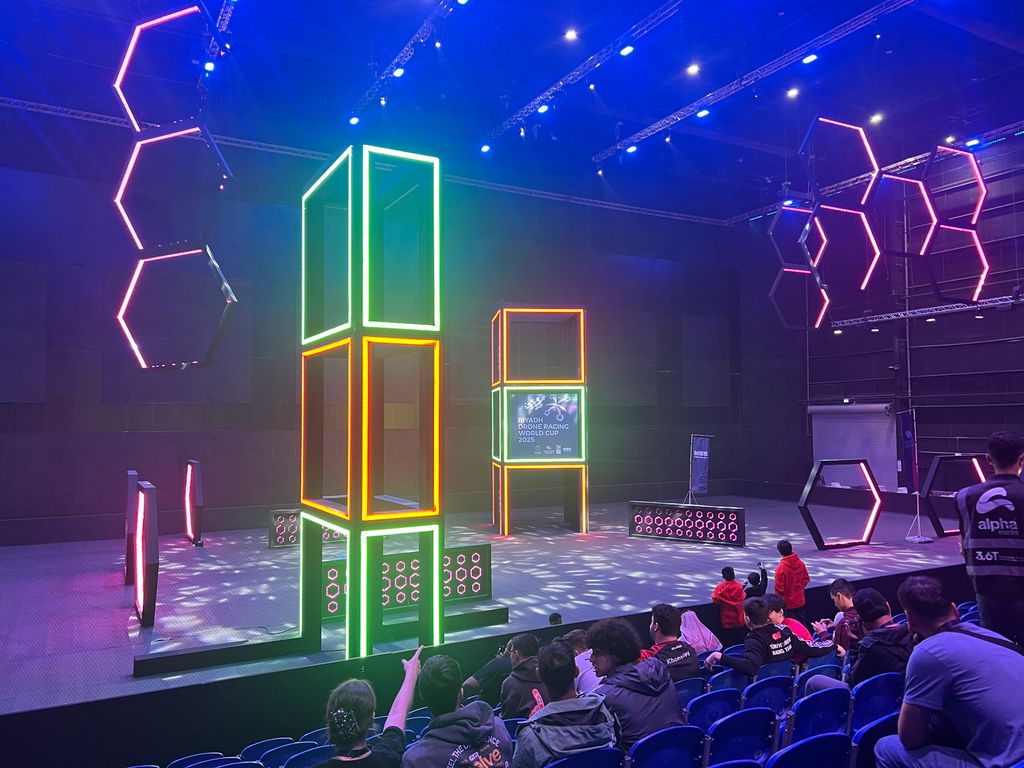
The most vivid memories are of the 2024 World Championships in China and the 2025 Aichtal in Germany, where he finished 9th in the 40+ class. But even more important have been the results of the national team – Morten became Velocidrone Racing League Team World Champion and Magnus finished second in the qualifying for the Swedish FAI stage.
“As a coach, the proudest moments are when someone else puts the pedal to the metal and sets the fastest time of their life.”
7. What is your favourite place to fly a drone and why?
Janno’s favourite spots are the Vais drone runway, the Kollas airstrip and the HOBIzone hall. The football pitch at Aichtal in Germany is also particularly close to his heart. According to him, the best place is not a geographical point, but a place with a good track and good company.
8. Have you experienced any difficult situations when flying a drone? How did you get out of it?
The only real complexity comes from the individual. “As long as the rules are clear and you don’t do anything stupid, you’re fine.”
Crashes are a natural part of FPV and you can’t get stuck in them: “Once you start to fear a crash, you don’t put the throttle on the bottom.”
9. Which drone do you currently use and what do you appreciate most about it?
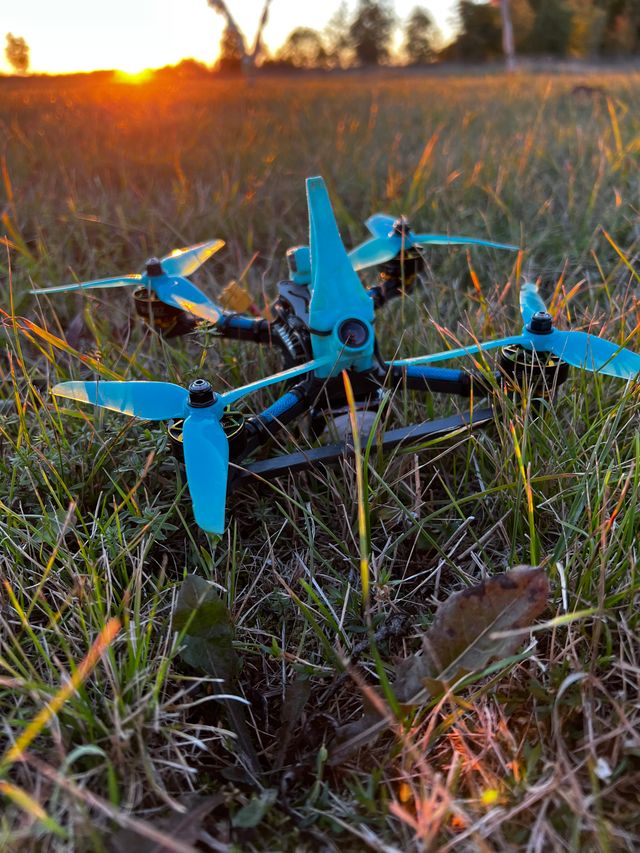
All the drones are self-built and Janno usually flies his son’s machines from last season. So there is a logical cycle. The setup is built for speed, durability and ease of maintenance – 3-4 drones must always be ready to continue the test quickly if needed.
10. What advice would you give to a beginner drone pilot who wants to get good shots and fly safely?
Janno’s advice is clear: don’t be alone with your hobby. The FPV community can help with skills, motivation and costs. He recommends investing in a good remote control and goggles, as they will last a long time. The drone itself may be cheap at first – it will crash anyway. “If you feel drawn to the area, come to Saue HOBIzone. Let’s just fly together.”
11. What is the current state of drone racing in Estonia and what are the future goals?
Drone racing is developing very fast in Estonia. A few years ago, there were 20 pilots, but now there are close to 40. Recently, 32 new pilots started training at HOBIzone. On a good day, the Estonian team is able to compete with the fastest in the world.
Systematic training: not only flying, but also psychology, nerves and physical fitness. The goal is firmly set – to bring home a medal from the 2029 World Games. Why not several. Why not gold.
Story: droon.ee / Interview: Maarja Murdmaa
Photos: the Erakollection