
Born in Tallinn and living in Saku for the past seven years, Kristo Mägi is a man whose life has taken him from his days at the Maritime Academy to drone flights. Today, he is a volunteer drone pilot for SA Kadunud – a person for whom drone flight combines beauty, precision and inner peace.
“I have studied at the Estonian Maritime Academy as a helmsman, and during my school years I did my apprenticeship on both cargo and passenger ships,” he recalls. “The sea is still very close to my heart.”
After school, however, he stayed on the mainland and started working in the cinema world, where he started as a security guard and grew to become a regional manager in Estonia. Later, he earned a master’s degree in organisational behaviour and made a conscious change of direction. “Today I work in the financial sector as a human resources manager,” says Kristo. “I’ve always been systematic and calm – these two qualities help me in management as well as in drone flying.”
It was his work that brought him together with the SA Missing team. “My employer at the time, Julianus Inkasso, donated a DJI M30T drone with thermal capability to SA Lost,” said Kristo. “At the same time, they started looking for volunteer drone pilots. This gave me the opportunity to combine my hobby and contribute back to the community.”
An interest that started in childhood
Kristo’s interest in drones goes back to childhood. “The interest started when radio-controlled cars were still rare and expensive,” he recalls. “I was already fascinated by this world of technology. From there, I moved on to single-rotor helicopters and eventually to four-rotor drones.”
His first drones were small Hubsan models, which he used to practice flying in his Lasnamäe apartment and summer cottage. “They were tiny, but a very good training tool,” he said. “When cameras were added to the Hubsan, it became possible to take pictures and film – it opened up a whole new perspective.”
The first bigger and more serious drone was the DJI Phantom, with which Kristo started taking aerial photos and learning more about the rules of flight. “I learned mostly on my own – through experimenting and watching videos,” he added.
Imaging gives a new dimension
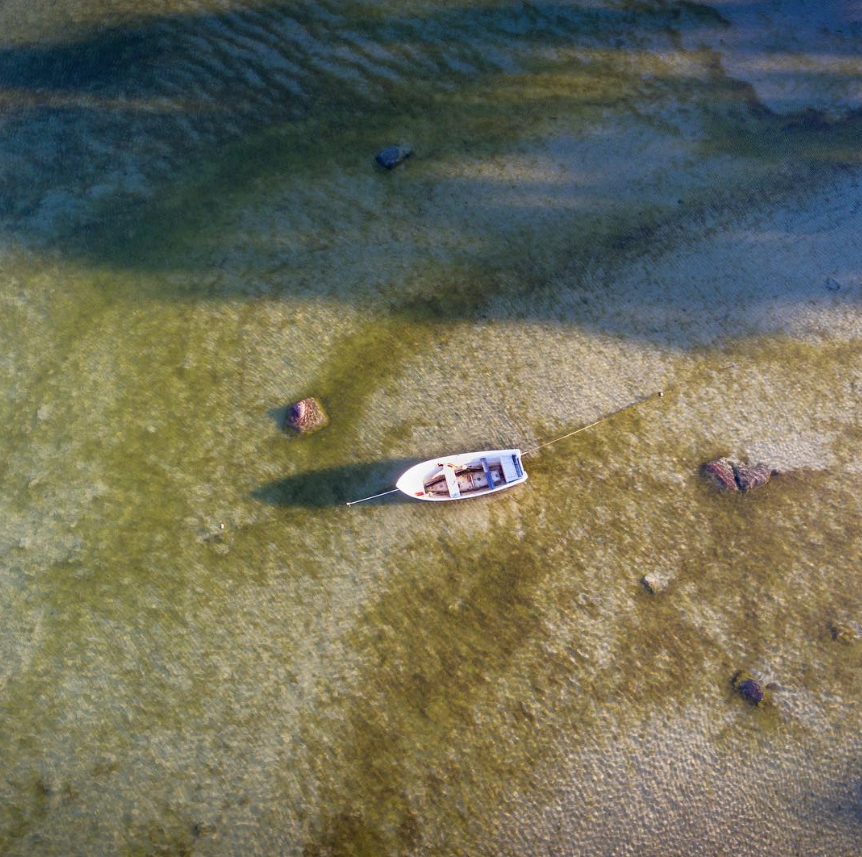
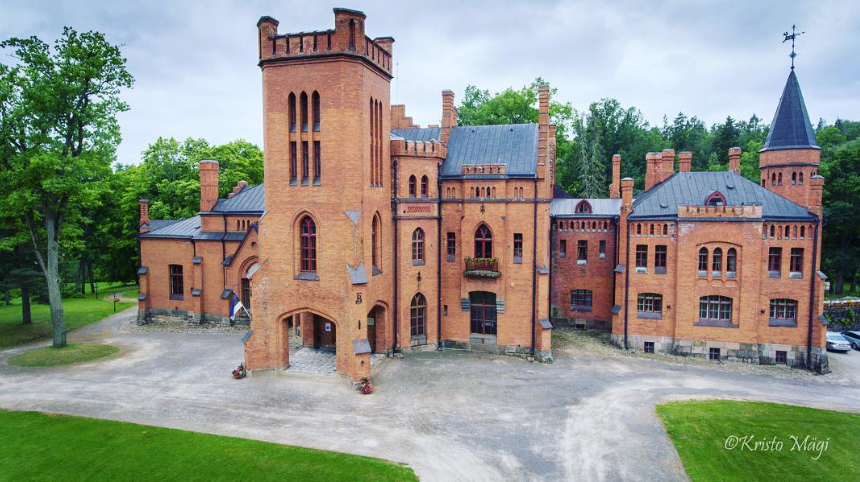
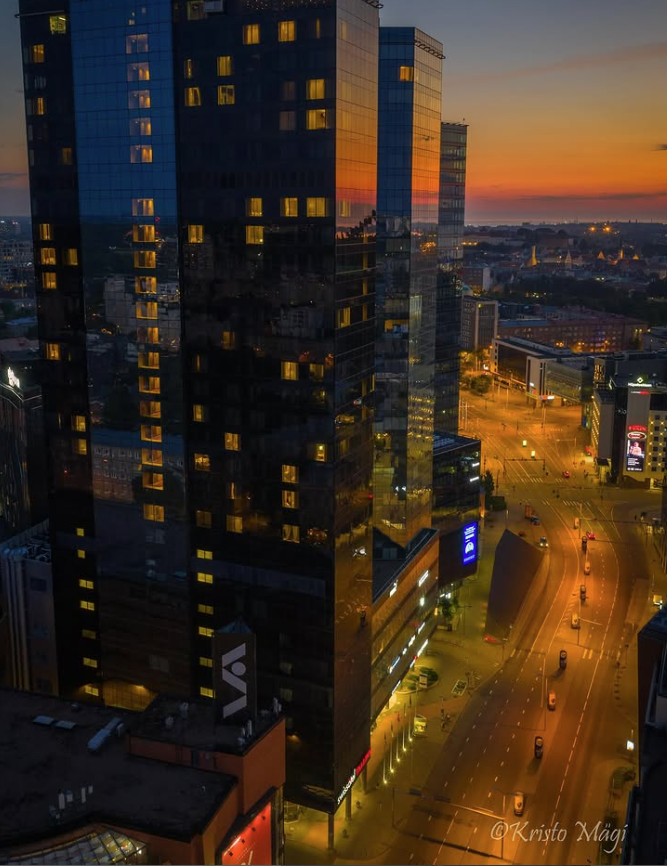
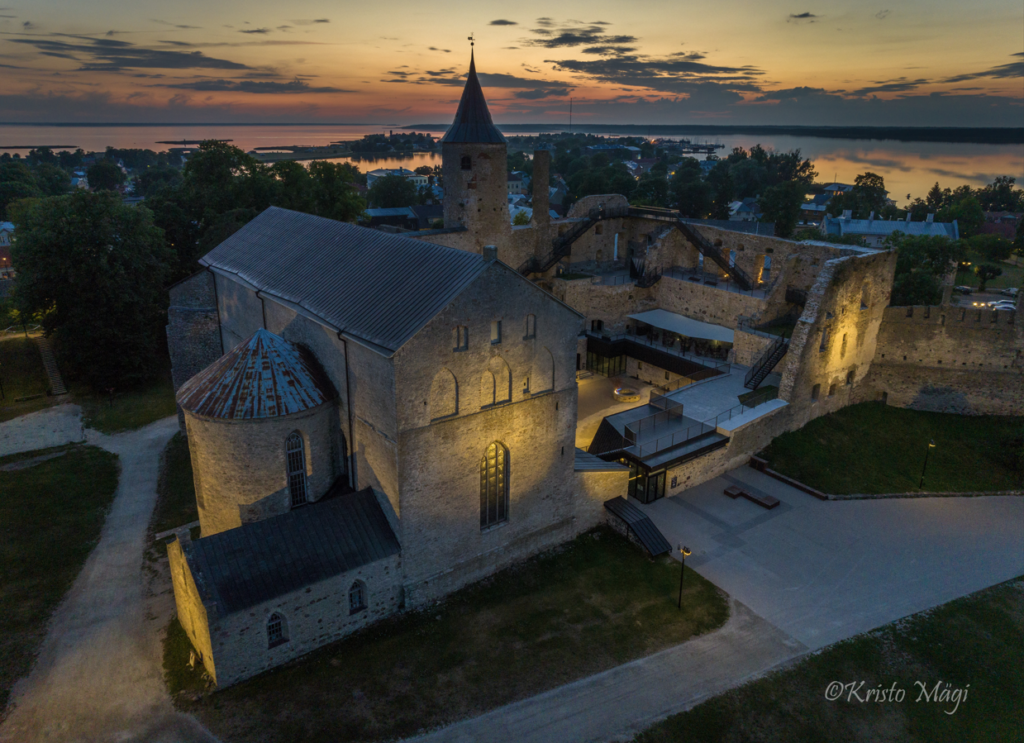
“What I enjoy most is taking pictures,” admits Kristo. “Aerial photography gives a whole new dimension to landscapes, buildings and objects. You can often see details and patterns from above that you wouldn’t notice from the ground.”
The drone allows you to get visually strong images quickly and quickly. “I’ve also tried filming, but that requires more planning and smooth movement. I still have some room for improvement, but I’m interested,” he added.
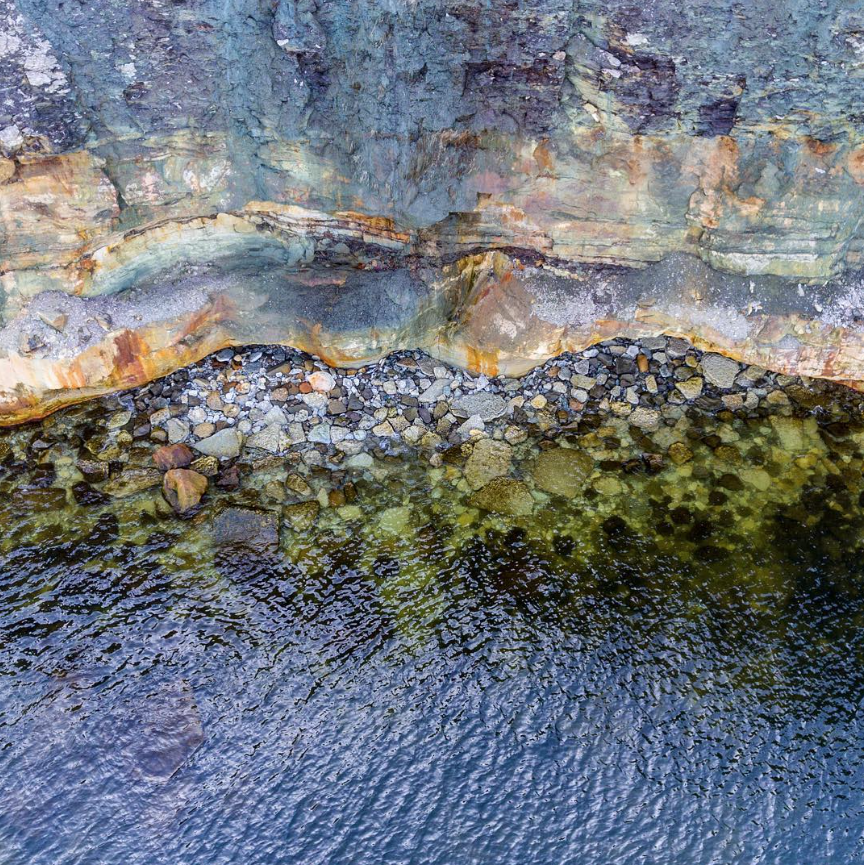
A memorable flight that made you realise the true value of the drone
The most memorable drone flight for Kristo is related to the work of SA Missing. “The most memorable flight was definitely when we managed to find a missing person with a new drone bought for SA Missing thanks to donations from good people,” she recalls.
“Sadly, it was a fatality, but the discovery provided answers for loved ones and put an end to a long period of uncertainty. It was a moment when I realised what we were doing and the value a drone flight could have.”
In addition to creative flights, she also enjoys working with images. “Often it’s only when I’m on the computer looking at photos or video that I realise I’ve captured something really special.”
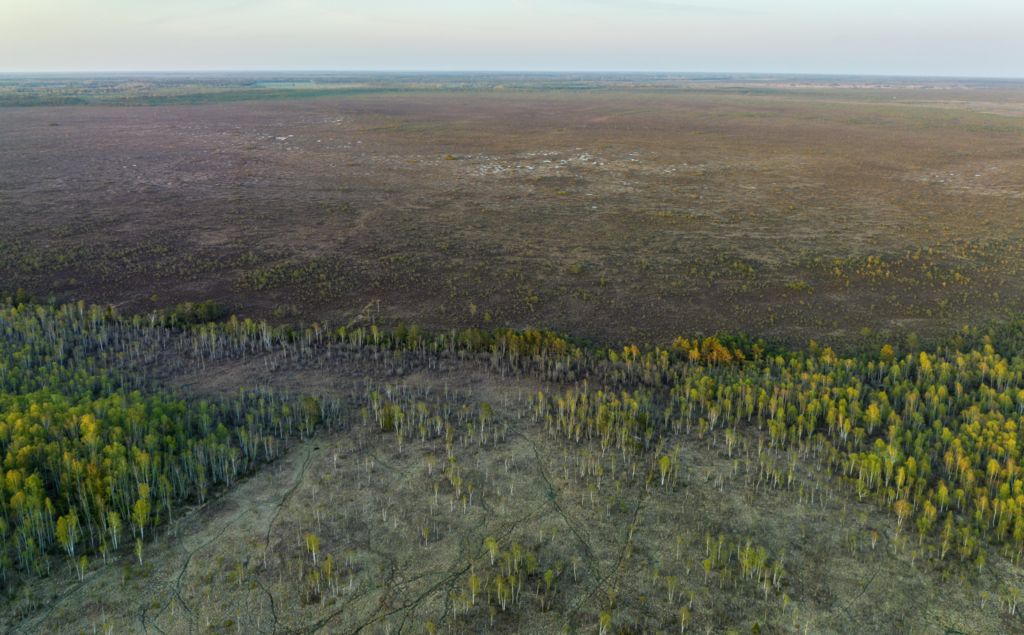
Favourite places and challenges
Kristo likes to fly most in populated areas.“They offer both visually interesting material and a technical challenge,” he explained. “At the same time, these are the places where we actually search. If I know the terrain visually and technically, I’m better prepared for searches.”
He admits that there are few difficult situations, because every flight starts with thorough preparation. “I anticipate the weather conditions, the terrain, the buildings and the restrictions in place,” he says. says Kristo.
The most tense moments occur when the drone and the console lose connection. “At that moment, there’s always anxiety about whether the drone will come back. So far, with the RTH or return to home function, everything has returned safely. A relaxed approach and good preparation have been key factors.”
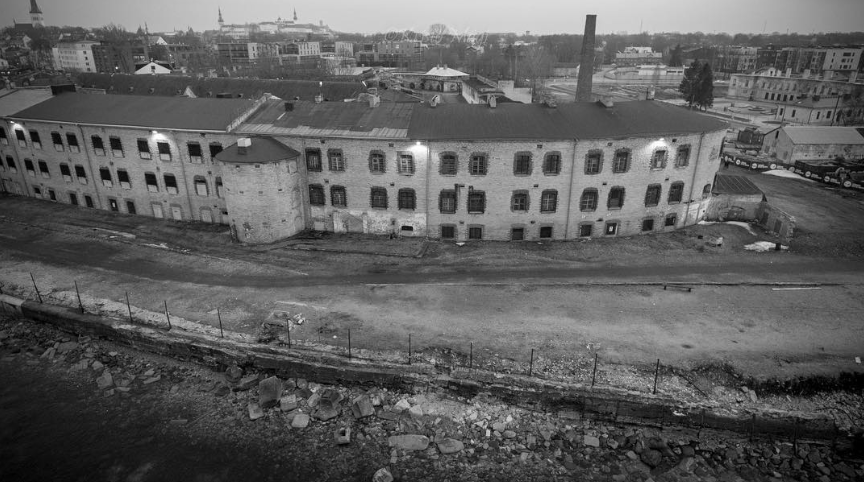
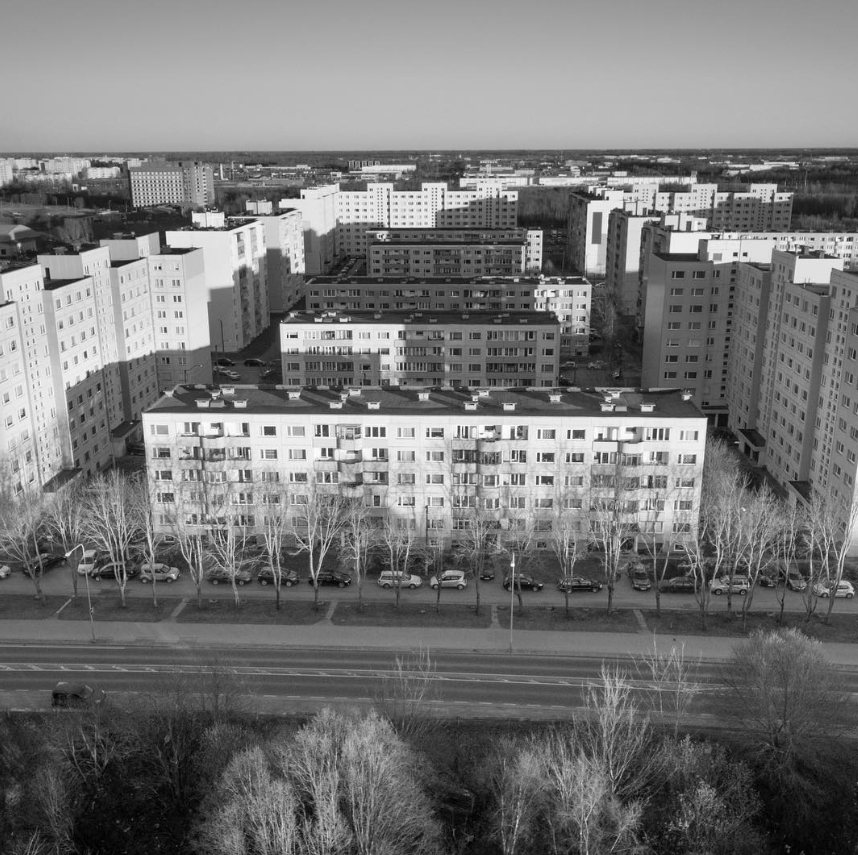
Three drones, three different roles
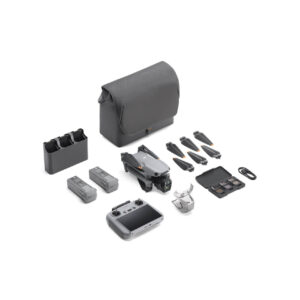
Today, Kristo uses three different drones: the DJI Mavic 3, DJI Mavic 4 Pro and DJI Matrice 4T.
“What I value most about Mavicut is the photo and video quality and their ability to create strong visuals,” he said.
“With the Matrice 4T, the most important things are the thermal imaging camera and accessories such as the screwdriver and additional light. The M4T allows you to plan and synchronise your flight directly via Flighthub – an invaluable aid in your search.”
Tips for beginners
For beginners, Kristo recommends first and foremost to get to know your drone and to start at a relaxed pace. “You should fly a lot in a safe environment,” he says. “Practice in open areas, study flight restrictions and watch the weather. It’s not enough to have a good drone to get good shots – you also need to understand light, movement and composition.”
“As flight time is limited, we need to make the flight as efficient as possible. I usually take 30-60 minutes to plan a flight to ensure optimal performance and safety,” says Kristo.
A pilot who flies with heart
Kristo Mägi is a man who combines technical precision and human warmth. He does his work and his flights consciously, calmly and with a sincere desire to give something back. “If my flight can help someone find peace of mind or capture something unique, it’s all worth it,” he said.
Where to find him?
📸 facebook.com/kristo.magi
📸 instagram.com/magikristo
📧 pildroon@gmail.com
🌐 www.pildroon.ee (opening soon)
Story: droon.ee / Interview: Maarja Murdmaa
Photos by Kristo Mägi