
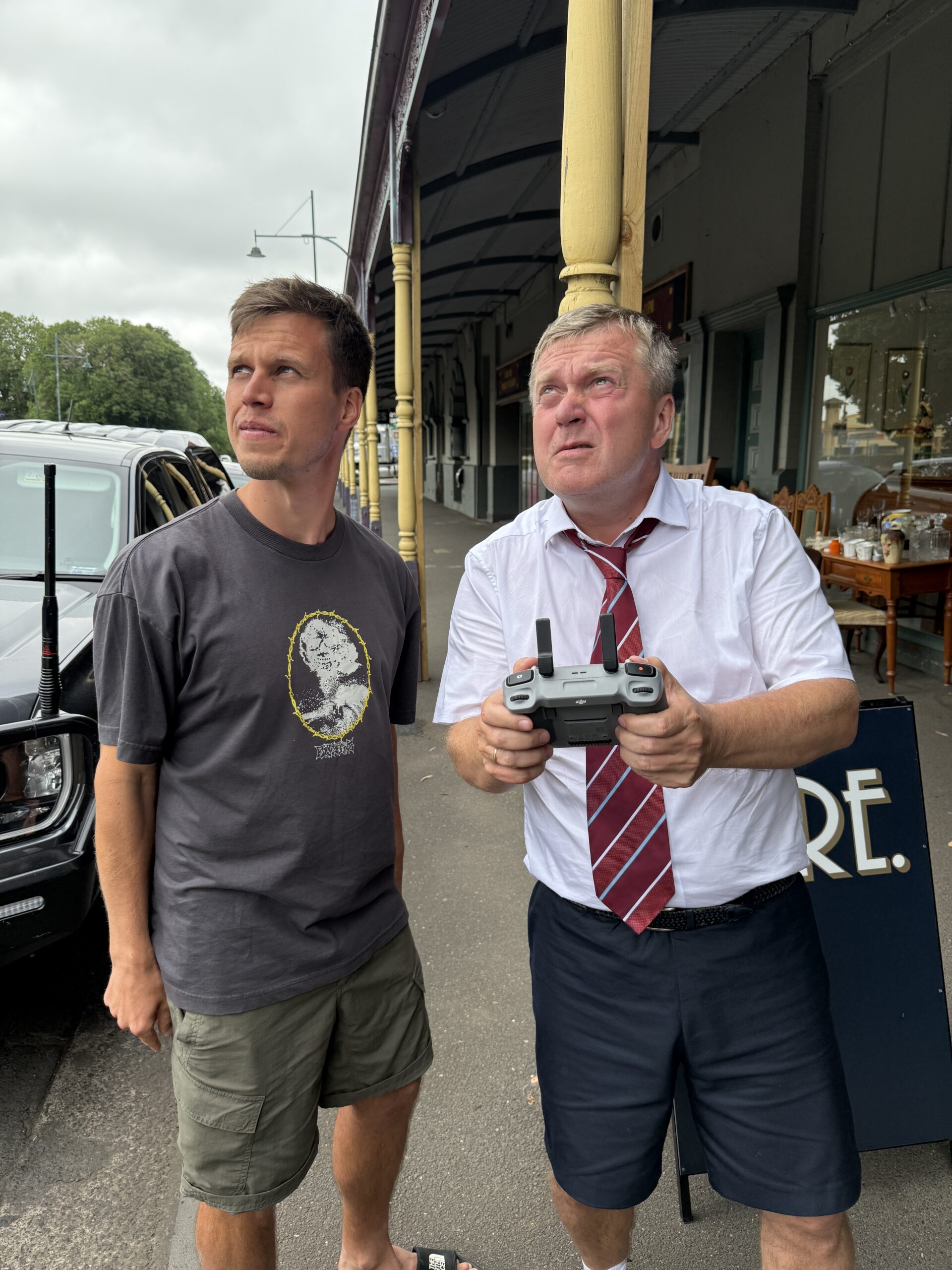
Madis Reimund is an Estonian television and film operator, documentary filmmaker and nature filmmaker, whose camera has captured life in both the quiet bog and the dense urban jungle. 2018. In 2007, he was awarded the title of Best Television Operator at the Estonian Television and Film Awards – a recognition that reflects his mastery and dedication. He is a filmmaker who has captured Estonia’s misty wetlands, Greenland’s icebergs, drone raced across Europe and landed in front of the police in Mexico.
His work includes popular programmes such as “Osone”, “Two Stooges” and “Sending John”, as well as numerous international documentaries. But it all started modestly – hiking in the woods with his father and noticing the beauty of nature.
Tell us a bit about yourself – who are you, where are you from and what do you do?
I was born and raised in Rapla County. Through my father, I developed a greater interest in nature and hiking, which led me to the forests and swamps at an early age. That’s where my interest in capturing moments started.
Today I am a qualified filmmaker. Every day I work as a TV and film operator and documentary director. Nature and life stories have been at the heart of my work – both in Estonia and around the world.
How did your interest in drones start?
In the summer of 2013, I made a clip introducing Estonia at one of the world’s biggest food and agricultural fairs – Grüne Woche. At that time, the development of drones for the general user was still in its infancy, and I remember that we had to do the shots from a helicopter eventually. Seeing these shots gave me an idea for multirotors – that’s what they were still called in Estonia at the time.
From that moment on, I started to pay more attention to the sector.
What was your first drone and how did you learn to fly it?
I’ve been filming the environmental programme “Osoon” for over a decade. For similar programmes, it’s the drone footage that helps to better convey the content – it opens up a whole new dimension.
The first personal drone was bought just for “Ozone”. This was the DJI Phantom 4, which I chose because it represented a big technological leap forward from the Phantom 3. It was April 2016 – I took a few days off, went to the ground and started flying. The learning somehow came easily. And as more and more work started to come in, the experience perfected itself.
Do you prefer to take pictures, film or just fly with a drone?
As my work mainly requires filming, I like to shoot more in my spare time. The picture has an instant output – you can share it with friends, put it on Instagram, print it or hang it on your wall. With video, the output is more distant – it needs editing, compositing, context.
What has been your most memorable drone flight?
The most memorable moments tend to be the ones related to foreign missions. In Estonia, drone shots are commonplace – familiar, though always beautiful. But experiences from elsewhere are more memorable.
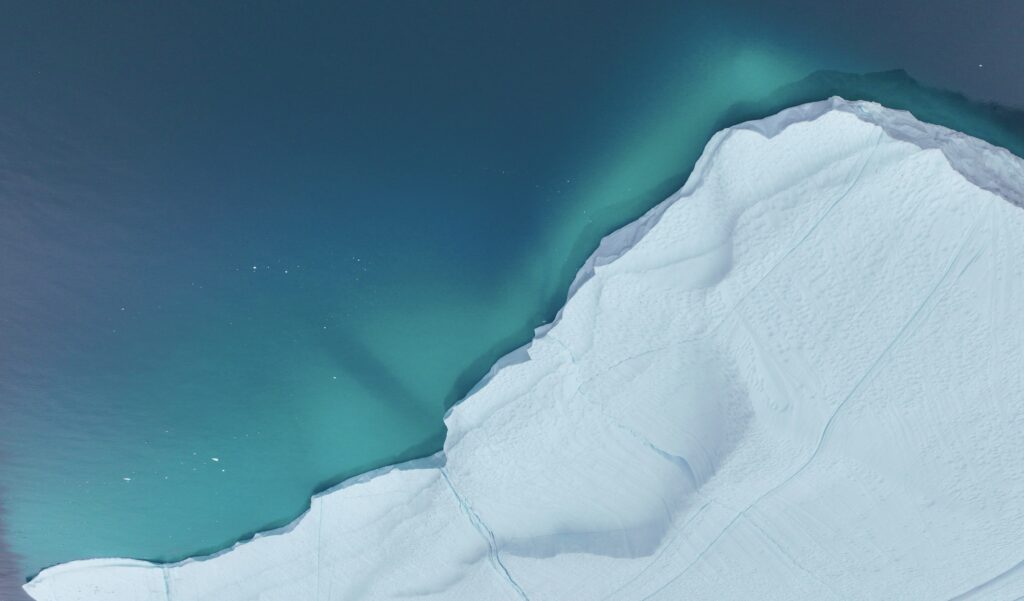
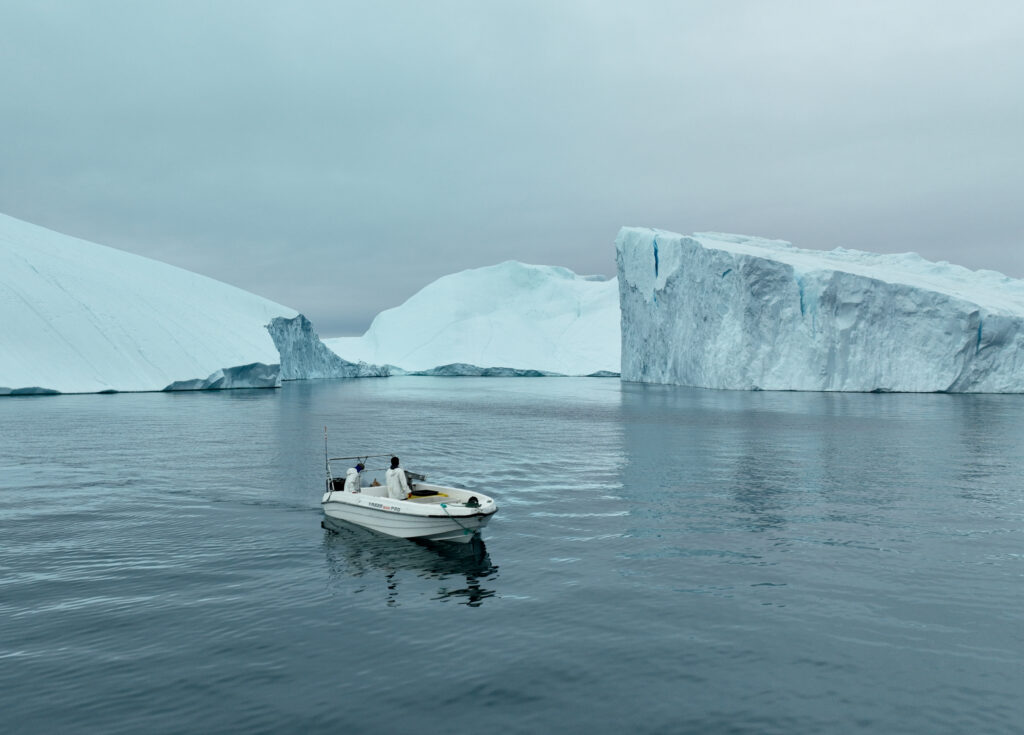
– Driving between icebergs in Greenland
– Shots in the Serengeti National Park, watching a herd of elephants from a distance
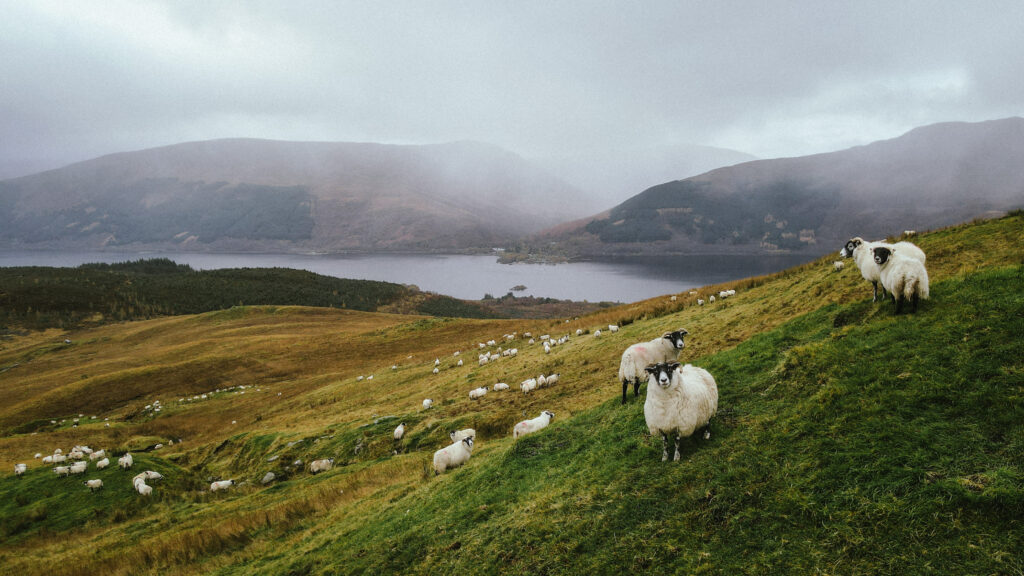
– Sheep herding in the Scottish Highlands
– Flights in the Alps and Caucasus Mountains
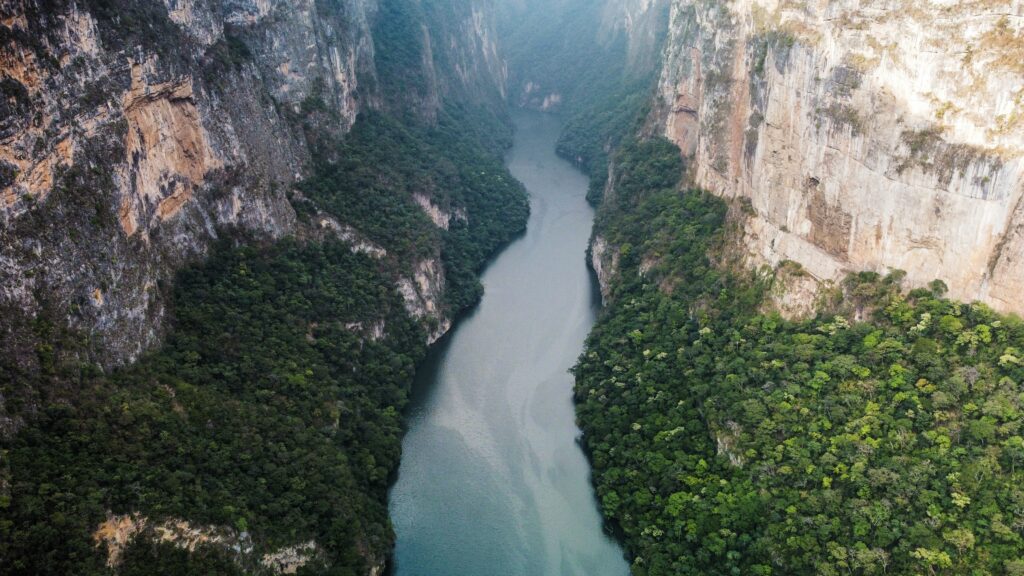
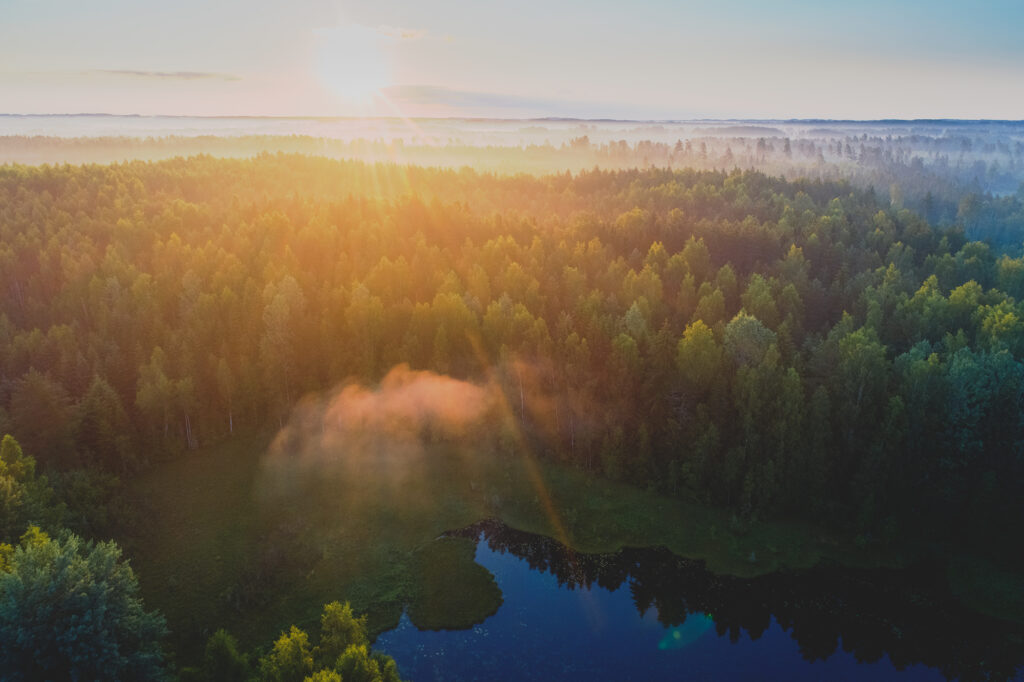
However, it is often in Estonia that the greatest joy comes when you take flight early in the morning over a misty river or a marshy island, the sun has not yet risen, but is about to paint everything golden.
What is your favourite place to fly a drone and why?
Although I like a challenge, the most inspiring time is early morning in nature. It’s when everything is quiet, peaceful and the light does its work. It’s those mornings that never disappoint. The same goes for cities – for example, a quiet early morning before you wake up while the city is still asleep. There’s something pure in those moments.
Have you experienced difficult situations when flying a drone? How did you get out of them?
I’d say there are more difficult situations than easy ones – especially when the drone is a tool, not a hobby.
- “Sending John in Europe: For two summers in a row, we did a programme with Johannes Tralla, where he travelled by motorbike and our broadcast car. We often had a drone flying above or behind them. The drones would often run on and off the road. Lost coverage, disconnected, and then I had a drone with no safety sensors – one of them smashed into a tree.
- “Two Kanget” on the move: in many places, drone flying is either banned or heavily regulated. In many places, drones are often prohibited or restricted. For such programmes, it is not always possible to apply for permission days in advance – you need to act quickly. For example, in Mexico City, we filmed secretly for a couple of days until we finally got caught by the police. The choice was: go to the station, get a fine of about 300€ and a procedure, or pay what was in your pocket in cash. I had about 100€, handed it over and got off.
- What happened in Greenland was that due to a strong propagation problem, the drone started to land in the fog because the lower sensors thought it was the ground. Luckily I intervened at the right moment.
- Battery problems in strong winds – a few times the drone has barely made it back, but so far all have ended happily.
One more story comes to mind. We were flying in the Aidu quarry, in Ida-Viru County, and by a stupid coincidence the drone fell into the water. It was dark and at first we had no idea where exactly it landed. Eventually, we found the drone under the water, thanks to the fact that it was still working and flashing while we were at the bottom. We had to swim out and retrieve it. Fortunately, that ended well – but it is still very vivid in my memory.
Which drone do you currently use and what do you appreciate most about it?
Available are:
- DJI Mavic 3 Classic – for everyday use in Estonia
- DJI Mini 4 Pro – for travelling and short shoots
- DJI Mavic 3 Pro/Cine – for larger projects
I like their image quality, stability and reliability. The Mini 4 Pro is very mobile – it doesn’t take up any space when you’re travelling and you can get up and running quickly.
What advice would you give to a beginner drone pilot?
Today’s drones are so technically advanced that security is no longer the main concern – the focus should be on content and story.
My recommendations:
- The frame should include foreground and background, with movement between them.
- The best light is in the morning or evening, especially when the sun is shining from the side or against the
- Contrasting light brings out the layering
- Choose the speed according to the idea – some frames need Cine mode, others Sport mode.
- And what’s more: a brave wolf’s chest is fat
Whether you’re travelling along Europe’s highways or over an early morning Estonian moor, Madis’ journey shows that every flight can be a new opportunity to tell a meaningful story. It’s not just what you see that matters, but how you show it to others.
Photos by Erakogu/Madis Reimund