
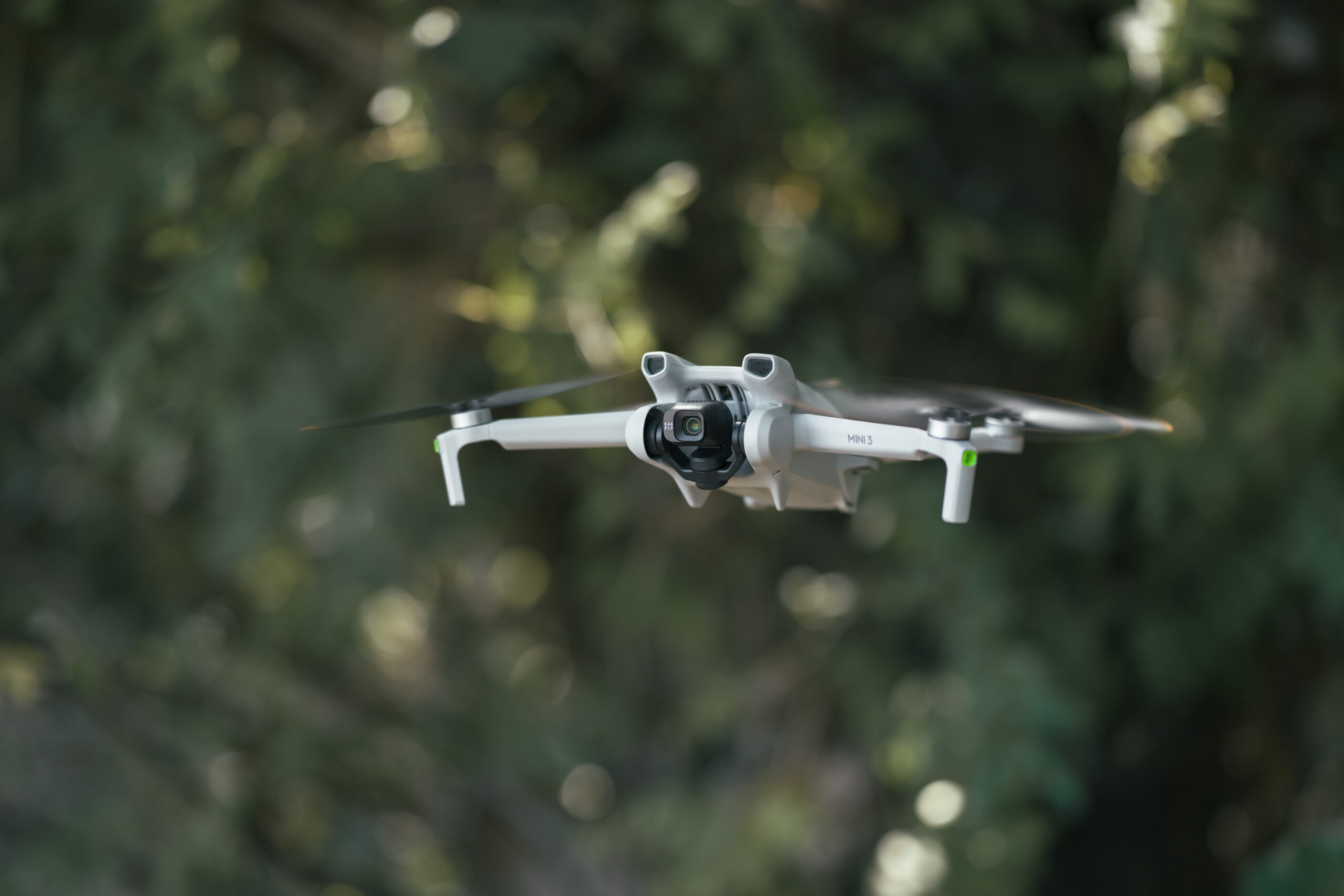
Recently, there has been an increase in the number of cases where flight rules have been broken, putting both drone pilots and other airspace users at risk. In order to ensure safety and avoid potential accidents, it is important to review the rules for flying drones.
1. Complying with flight rules
All flight operations, whether by unmanned aerial vehicles (drones) or unmanned aerial vehicles (UAVs), must be conducted in accordance with the applicable rules of the air. In Estonia, the use of airspace is governed by the following legislation:
- Aviation Act
- Regulation of the Minister of Economic Affairs and Infrastructure of 26.03.2015 No 24 – “Domestic flight rules and exemptions and derogations from the flight rules laid down in the Commission Implementing Regulation (EU) No 923/2012.”
- Decree of the Government of the Republic of 18.07.2000 No 240 – “Use of Estonian Airspace and Air Traffic Services in Tallinn Flight Information Region”.
2. Rules for flying unmanned aerial vehicles (drones)
Flying drones has become increasingly popular in recent years. To ensure safety and avoid potential accidents, the following basic rules must be followed:
- Operator registration: as a general rule, all owners of drones with cameras must register as an operator, regardless of the weight of the drone. All operators of drones, regardless of whether they are the operator of a drone or not.
- Remote pilot rating: if the drone weighs 250 grams or more, an A1/A3 basic rating is required. It is recommended that smaller drones are also qualified to ensure greater situational awareness and safety.
- Flight altitude and distance: you may fly at a maximum altitude of 120 metres above the ground, unless the conditions of the geographical area set a lower limit. The drone must be in visual line of sight throughout the flight.
- Flight areas: check both temporary and permanent restriction areas before flying. Some areas may require permission from the managing authority. It is advisable to check the map applications during the planning phase and immediately before the flight.
- Age limits in open category:
- To be eligible to fly in the open category, the remote pilot must be at least 16 years old.
- The age limit does not apply in three cases:
- In the case of a self-built drone weighing less than 250 g and flying at less than 19 m/s.
- In the case of a Class C0 drone.
- If the flight is operated under the supervision of a competent person.
- Prohibition to fly at the scene of an accident:The Police and Border Guard Board draws attention to the fact that, according to point 3 of the European Commission Implementing Regulation (EU) 2019/947 UAS.OPEN.060, it is not allowed to fly your unmanned aircraft at the scene of an accident.
For more information on the rules for flying drones, see. Transport Agency website.
Drone card finds HERE.